
Istanbul is not an easy city. It climbs when you don’t expect it. Streets tilt suddenly. Pavements change texture without warning. For wheelchair users, that can feel discouraging before the trip even starts. But Istanbul is also generous.
There are places where the city flattens out. Spaces where history gathers close instead of scattering uphill. Museums that planned ahead. Squares that let you pause without pressure. With the right choices, Istanbul becomes not just possible, but genuinely rewarding.
Our guide focuses on what actually works, not what looks good on paper. We’re not listing everything. We’re highlighting places where accessibility feels intentional rather than accidental. Wide paths. Ramps that make sense. Elevators that actually lead somewhere useful. Staff who don’t panic when they see a wheelchair.
You’ll notice a pattern. Many of the most accessible spots cluster in areas like Sultanahmet, Karaköy, and along open waterfronts. That’s not coincidence. It’s where the city breathes a little easier.
Our article explore wheelchair-friendly attractions in Istanbul, with clear notes on access, limitations, and what to expect once you arrive.
Top Accessible Istanbul Attractions
Sultanahmet Square
If you want one place that explains Istanbul in a single glance, Sultanahmet Square is it.
Sultanahmet Square sits flat, wide, and open. That alone makes it one of the easiest areas in the city to move through with a wheelchair. Paths are paved. Distances are short. Landmarks sit side by side instead of scattered across hills.
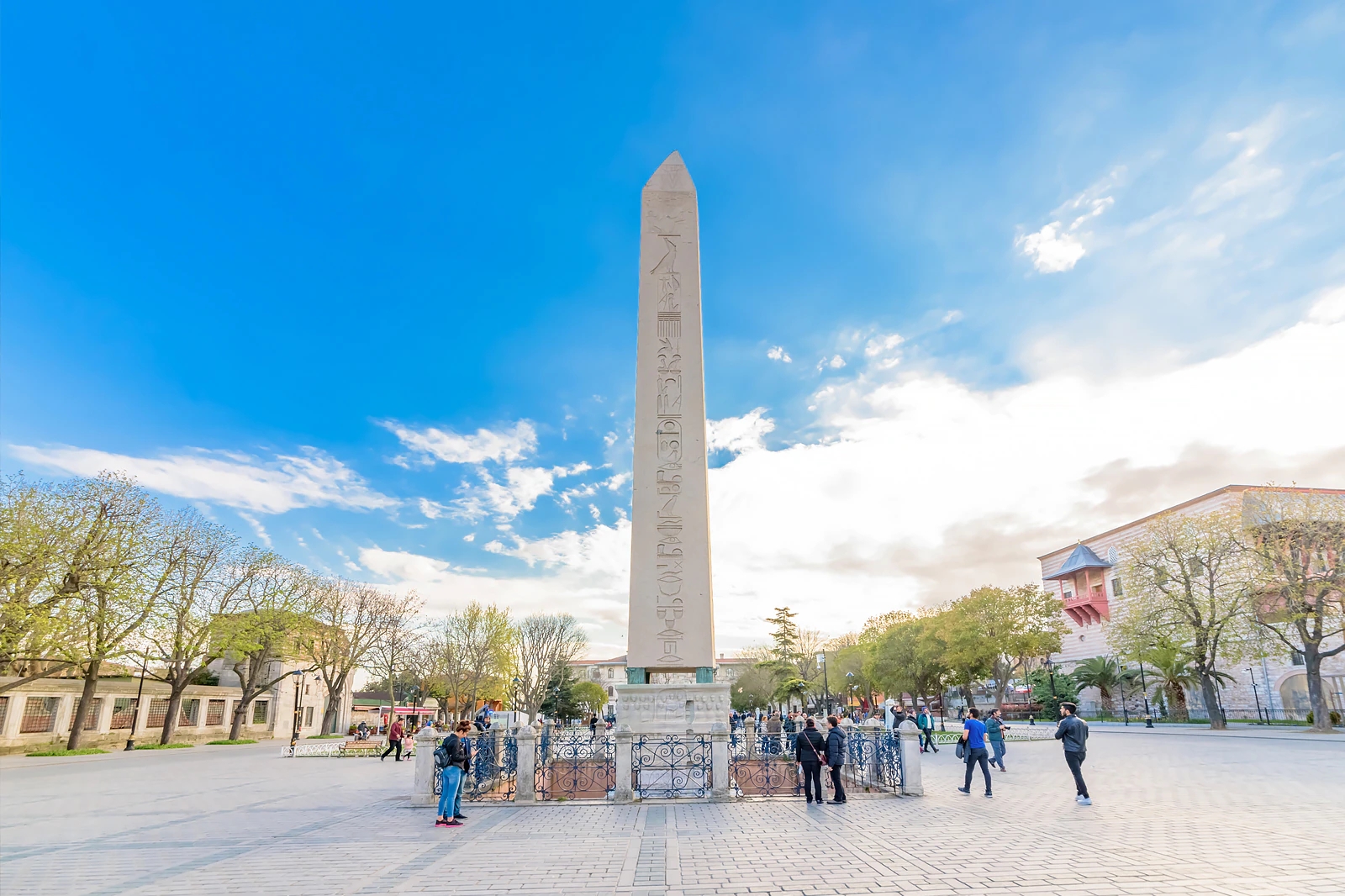
You’re surrounded by heavy hitters. Hagia Sophia. Blue Mosque. The remains of the Byzantine Hippodrome. You don’t need to cross traffic or climb slopes to experience them. The square connects everything naturally.
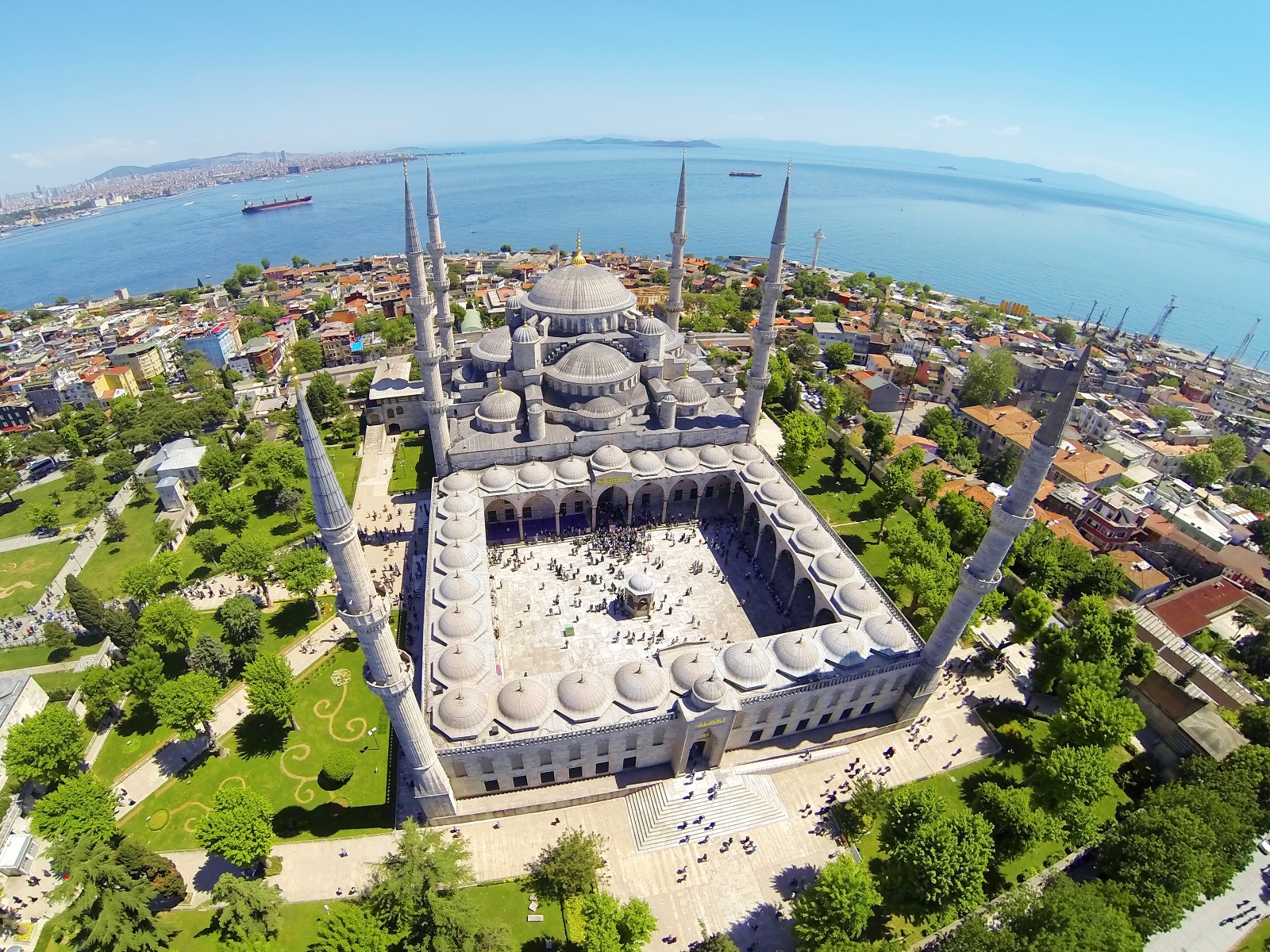
What makes this space special isn’t just access. It’s atmosphere. Street musicians drift through. Locals pass by on their way to prayer. Visitors pause, circle, sit, and watch.
No Regrets Booking Advice
There are accessible public restrooms nearby, and cafés with outdoor seating that work well for breaks. You can spend an hour here or half a day without feeling rushed or boxed in.
Istanbeautiful Team note:
For wheelchair users visiting Istanbul for the first time, we almost always suggest starting here. It’s forgiving, central, and full of visual reward without physical strain.
Sultanahmet Square isn’t just a stop. It’s a base. One that lets you feel the city before tackling anything more complex.
Hagia Sophia
Few places in the world carry this much layered history, and fewer still are this thoughtfully adapted.
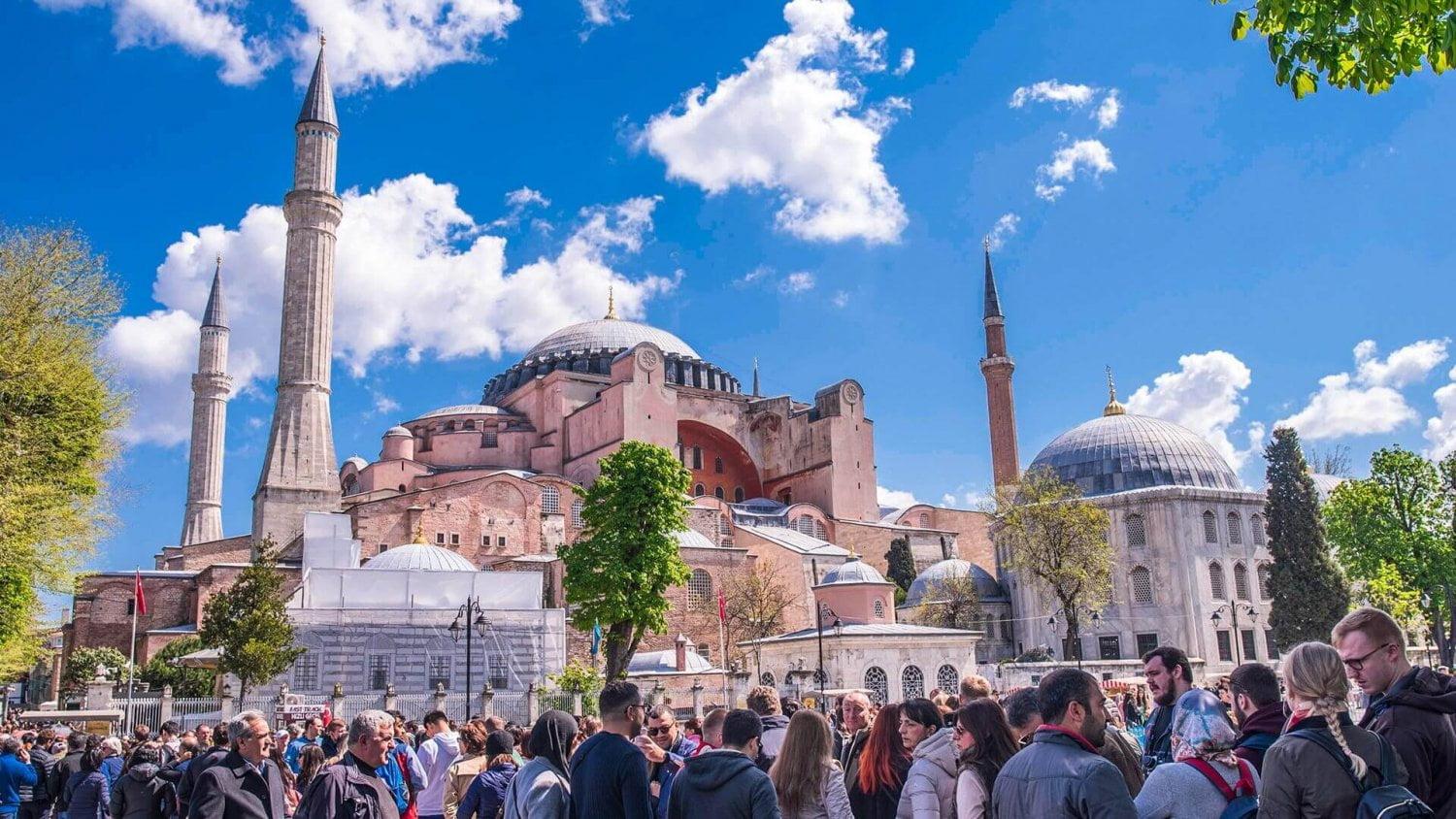
Hagia Sophia is wheelchair accessible through dedicated ramps and elevators, with a clear route that avoids stairs entirely. Staff are used to assisting. You don’t feel like an exception.
Inside, the scale does the talking. The dome pulls your eyes upward. Light moves across stone and mosaic. Even without reaching every upper gallery, the experience feels complete.
Accessible restrooms are available on site, and movement through the main hall is smooth.
This is one of those rare landmarks where accessibility doesn’t dilute the experience. It simply removes the barrier.
Topkapi Palace Museum
Topkapı Palace is vast, historic, and honest about its limits.
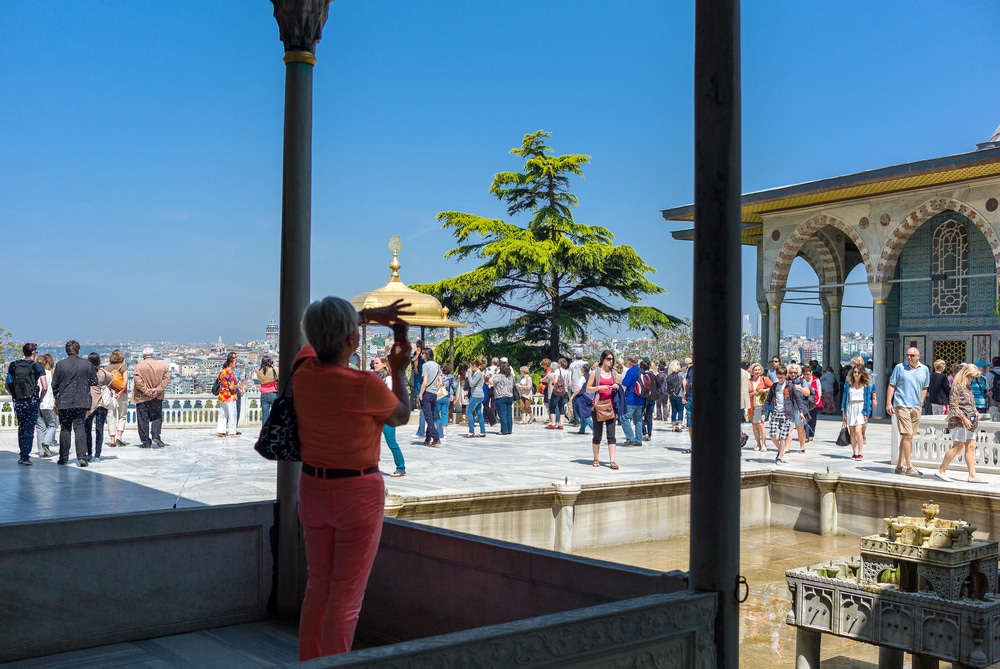
Large sections of the palace complex and courtyards are wheelchair accessible, thanks to careful planning and wide outdoor spaces. Gardens, major collections, and key halls are reachable without difficulty.
That said, not every area is accessible. Some interiors have steps or raised marble thresholds that can’t be altered due to heritage protections. There is no wheelchair rental on site, so visitors need to bring their own.
Accessible toilets are located at the entrance to the second courtyard. Disabled visitors, plus one companion, receive free entry.
Istanbeautiful Team insight:
Think of Topkapı as a curated experience rather than a complete one. Focus on what’s accessible and you’ll still walk away with a strong sense of Ottoman life.
Basilica Cistern Museum
Atmospheric doesn’t have to mean inaccessible.
The Basilica Cistern, built in the 6th century, now includes an elevator that brings wheelchair users directly to the main viewing platform. The walkways are flat, wide, and well lit.

There’s no wheelchair rental on site, but the route itself is smooth once inside. The experience feels immersive without being physically demanding.
Disabled visitors and one companion enter free of charge.
Quiet, cool, and otherworldly, this is one of the most satisfying accessible experiences in Sultanahmet.
Miniaturk Museum
Miniatürk gets accessibility right.
This open-air museum along the Golden Horn is designed as a barrier-free space. Paths are wide. Ramps are everywhere. Battery-powered wheelchairs are available, along with charging points.
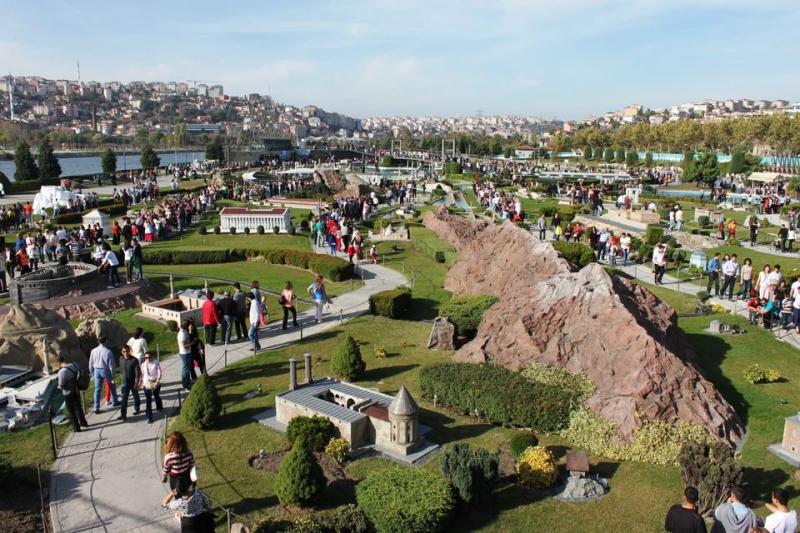
The models sit at comfortable viewing heights, and the entire layout feels intentional rather than adapted as an afterthought. Accessible restrooms and parking are available.
Disabled visitors and one companion enter free.
If you want a relaxed, unhurried visit with zero accessibility stress, this is one of the best options in the city.
Istanbul Museum of Modern Art
Modern spaces tend to think ahead, and this museum shows it.
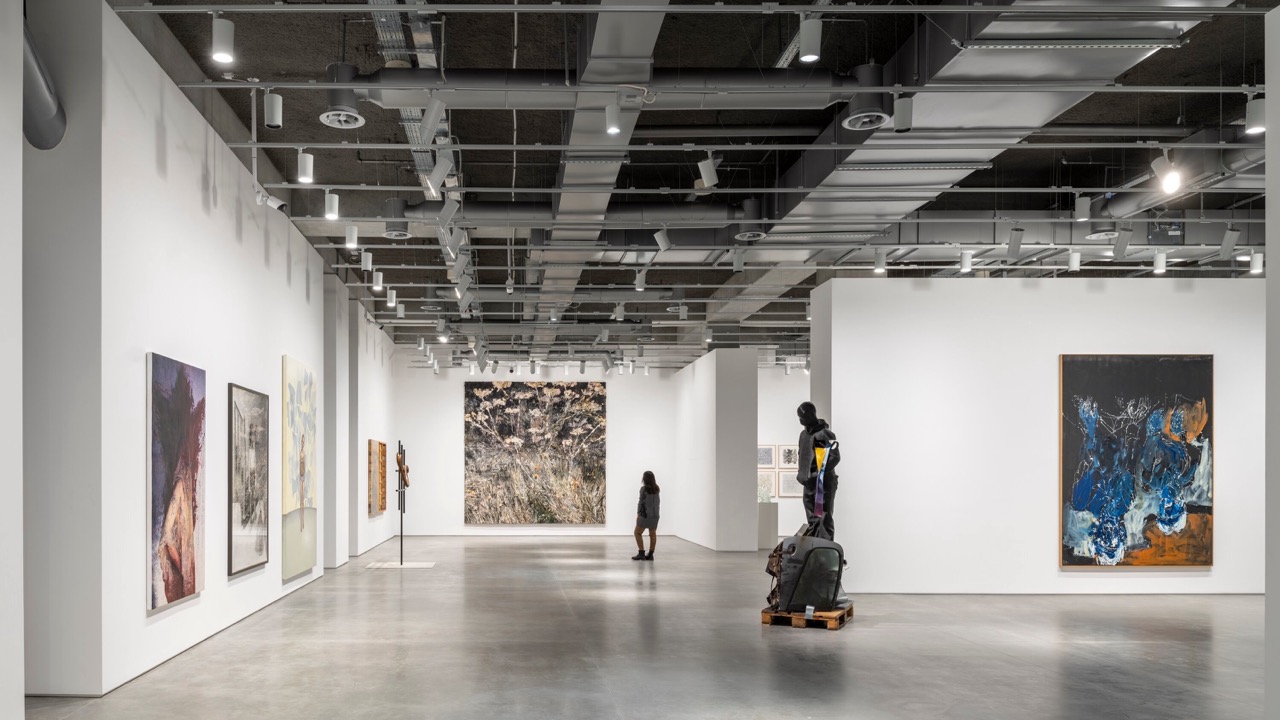
Located in Karaköy, Istanbul Modern offers step-free access throughout its exhibition areas. Elevators connect floors, and circulation space is generous.
There’s no wheelchair rental on site, but movement is straightforward once inside. Disabled visitors enter free of charge.
If you want culture without logistical friction, this is an easy yes.
Serefiye Cistern Museum
The Serefiye Cistern is smaller than the Basilica Cistern, but just as thoughtful.
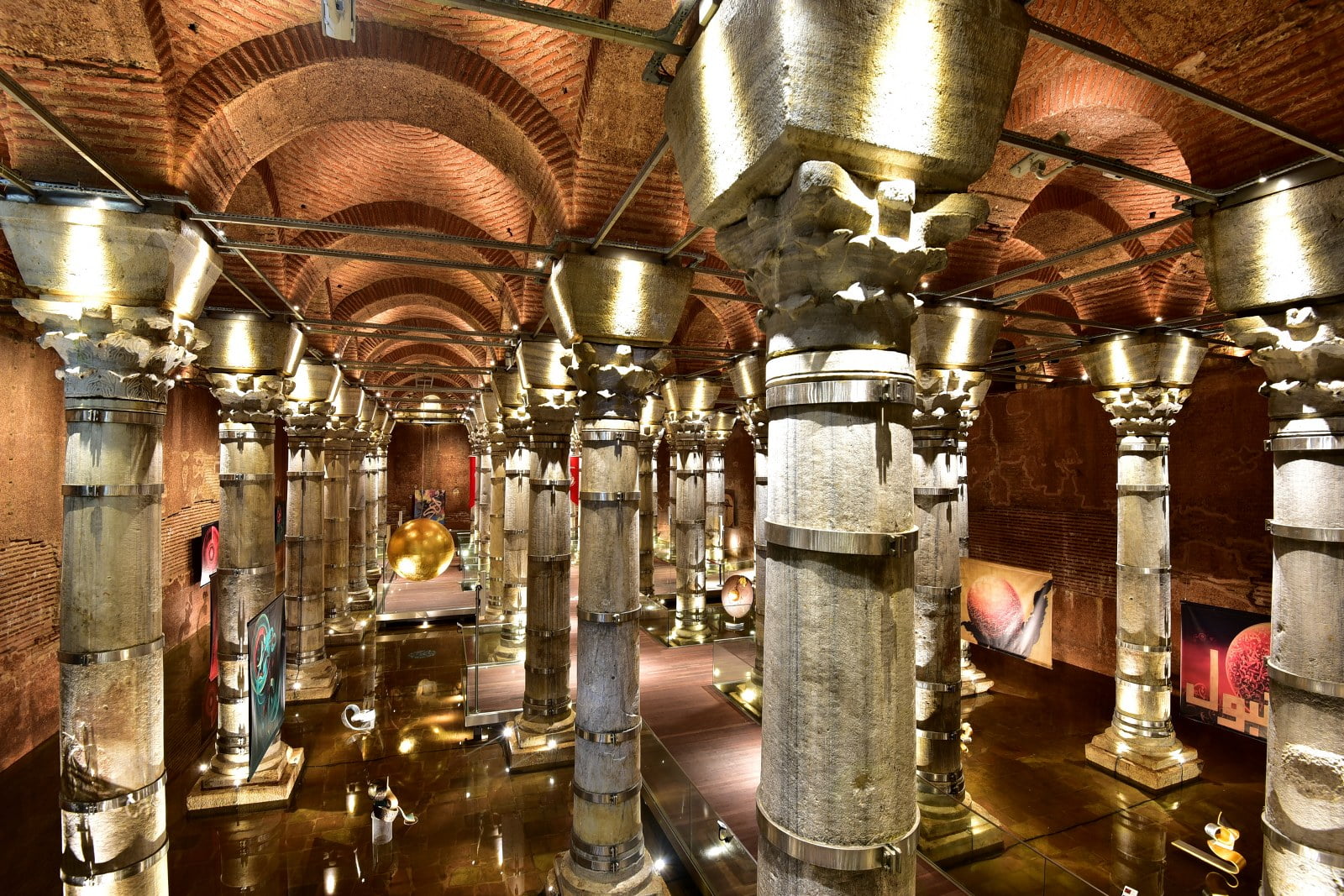
An elevator brings visitors down to the viewing platform. Paths are smooth. Lighting is even. Events like exhibitions and concerts happen here, but the space never feels cramped.
No wheelchair rental is available, but accessibility is built into the layout. Disabled visitors and one companion enter free.
The Grand Bazaar
Chaotic, yes. Impossible, no.

The main entrances of the Grand Bazaar are wheelchair friendly, and most primary corridors are flat and wide. Side alleys can narrow quickly, so sticking to the main arteries helps.
Dining areas and tea stops inside the bazaar are generally accessible, and staff are often quick to rearrange chairs without being asked.
Istanbeautiful Team advice:
Visit earlier in the day. Less crowd pressure makes navigation noticeably easier.
The Grand Bazaar isn’t perfectly accessible, but with timing and patience, it’s absolutely doable and deeply rewarding.
At a glance: Accessible Istanbul
Istanbul works best when you zoom out first. Accessibility here isn’t uniform, but it is predictable once you know where the city eases up.

Areas like Sultanahmet are the most forgiving. Streets are flatter, distances are short, and many major landmarks sit within a few minutes of each other. Karaköy offers a different advantage. Newer buildings, modern museums, smoother sidewalks, and easy waterfront access make movement simpler.
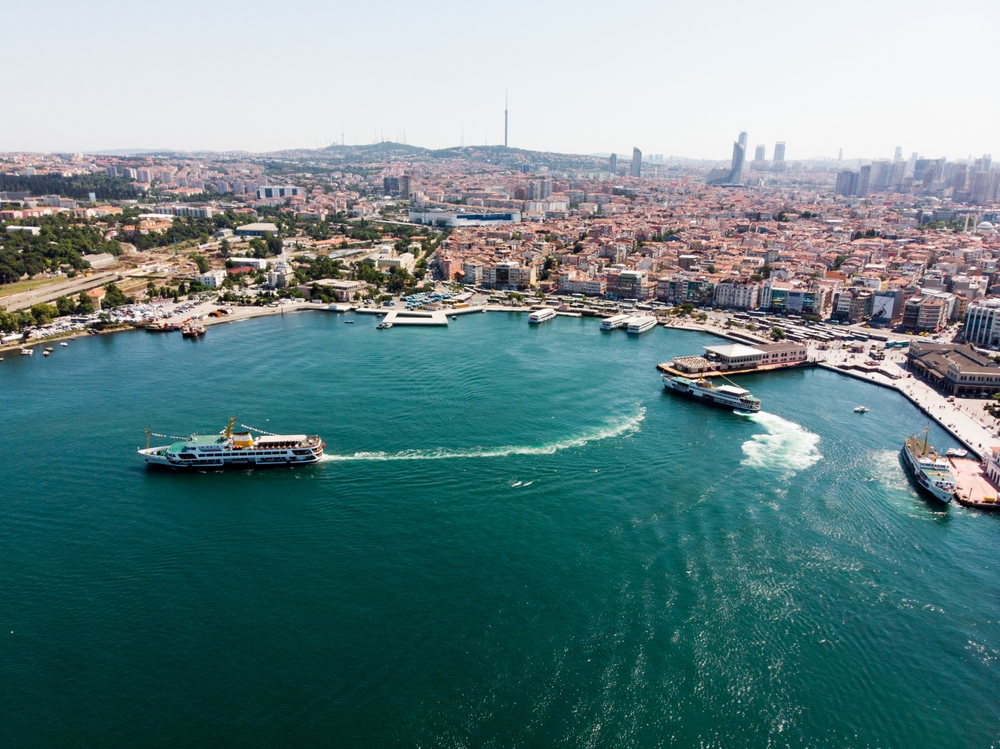
On the Asian side, Kadıköy stands out near the pier, where promenades are wide and energy stays lively without feeling chaotic.
The city does several things well. Large public squares are level and open. Many state-run museums include ramps or elevators and offer free entry for disabled visitors, often with one companion. Ferries on major routes are generally accessible and can be one of the easiest ways to move without elevation changes.
There are also places where patience helps. Steep side streets appear suddenly. Older heritage buildings sometimes stop short of full access because structural changes aren’t allowed. Indoor markets get tight during peak hours, even if entrances are step-free.
The planning mindset that works here is simple. Group sights by neighborhood. Start earlier in the day. Choose longer stops over constant movement.