
Most people think choosing the best hair transplant clinic Turkey is about finding the highest rating or the lowest price. It isn’t. It’s about understanding what’s actually happening behind the scenes.
We’ve seen patients spend weeks comparing hair transplant Turkey reviews, clinic websites, and before-after photos. Everything looks convincing. Every clinic claims natural results. Every package looks similar. And that’s exactly where confusion starts.
One patient we spoke with shortlisted three clinics. All had strong reviews. All offered all inclusive hair transplant Turkey package deals. Prices were different, but not dramatically. He chose the one that responded fastest. Later, he told us something simple. “I didn’t realize I was choosing a system, not just a clinic”. That sentence matters more than any ranking.
According to the International Society of Hair Restoration Surgery (ISHRS), outcomes depend heavily on planning, donor management, and surgical execution. Not just the clinic name or technique.
So, if you’re searching how to choose hair transplant clinic Turkey, comparing hair transplant Turkey cost, or trying to understand is hair transplant safe in Turkey, we’ll explore this step by step.
“Choosing the right clinic is less about finding the best one. It’s about finding the one that fits your case.”
— Dr. Güncel Öztürk
Let’s start with the simplest version of the answer. Because once you see it clearly, everything else becomes easier.
At a Glance: How to Choose the Best Hair Transplant Clinic in Turkey
- Focus on doctor involvement: Always confirm who performs key steps. Surgeon involvement in planning and incision stages directly affects results.
- Whether it’s FUE hair transplant or DHI hair transplant, the outcome depends more on planning and execution than the method itself.
- A reasonable hair transplant Turkey cost reflects structure and experience. Extremely low pricing often means reduced time, supervision, or aftercare.
- Make sure the clinic is registered with HealthTürkiye or the Turkish Ministry of Health. This confirms it operates within regulated standards.
- Good clinics explain donor limits, hairline design, and long-term expectations. If the focus is only on graft numbers or packages, something is missing.
- High-volume clinics may offer lower prices, but they divide attention. Lower-volume clinics often provide more time per patient.
- Ask direct questions before booking: Who does the surgery, how many patients per day, and what happens after you go home. Clear answers usually indicate a reliable process.
- Think long-term, not just price: You are choosing a process that affects you for months. A clear, well-explained plan is often a better signal than a lower quote.
How Do You Choose the Right Clinic?
If you’re searching how to choose the best hair transplant clinic in Turkey, here’s the honest version. You don’t need a long checklist. You need a simple filter.
What Actually Defines a Good Clinic
A strong best hair transplant clinic Turkey choice usually comes down to four things.
- Doctor involvement
- Planning quality
- Patient volume
- Aftercare
That’s it. Everything else supports these.
Doctor Involvement Comes First
Ask one clear question. Who is actually performing the procedure? In some clinics, the doctor designs the hairline and leaves. In others, the doctor stays involved throughout.
According to the ISHRS, surgeon involvement in planning and key surgical steps directly affects results. This is not a small detail.
Planning Matters More Than Technique
You’ll hear about FUE hair transplant Turkey, DHI hair transplant Turkey, and Sapphire FUE. But technique alone does not decide the outcome. Planning does. Hairline design. Donor management. Long-term thinking.
We’ve seen similar techniques produce very different results based on planning quality alone.
Patient Volume Changes Everything
High-volume clinics can offer lower hair transplant Turkey cost. But they also divide attention. Lower-volume clinics move slower. More time per patient. Neither is automatically better.
But you should know which one you’re choosing.
Aftercare Is Part of the Result
Most patients focus on the procedure. But follow-up matters just as much. According to the NHS, aftercare and communication are key factors in overseas procedures.
So, if you remember nothing else, remember this:
- Who does the work
- How the case is planned
- How many patients are treated
- What happens after
And also instead of asking “which clinic is best”, ask: Does this clinic match how I want this process to feel?
That question leads to better decisions.
Step-by-Step System to Choose the Best Clinic
If you’ve been wondering how to choose the best hair transplant clinic in Turkey, here’s a simple way to approach it. Not a long checklist. A step-by-step filter.
Step 1: Verify Licensing and Authorization
Start with something objective. Is the clinic listed under HealthTürkiye or registered with the Turkish Ministry of Health?
This doesn’t guarantee quality. But it confirms the clinic is operating within regulated standards for international patients. It removes the obvious risks.
Search the Ministry of Health Registry
Go to the official Ministry of Health “Health Professionals” database on healthturkiye.com, that this is where you can confirm hospitals, doctors, and clinics.
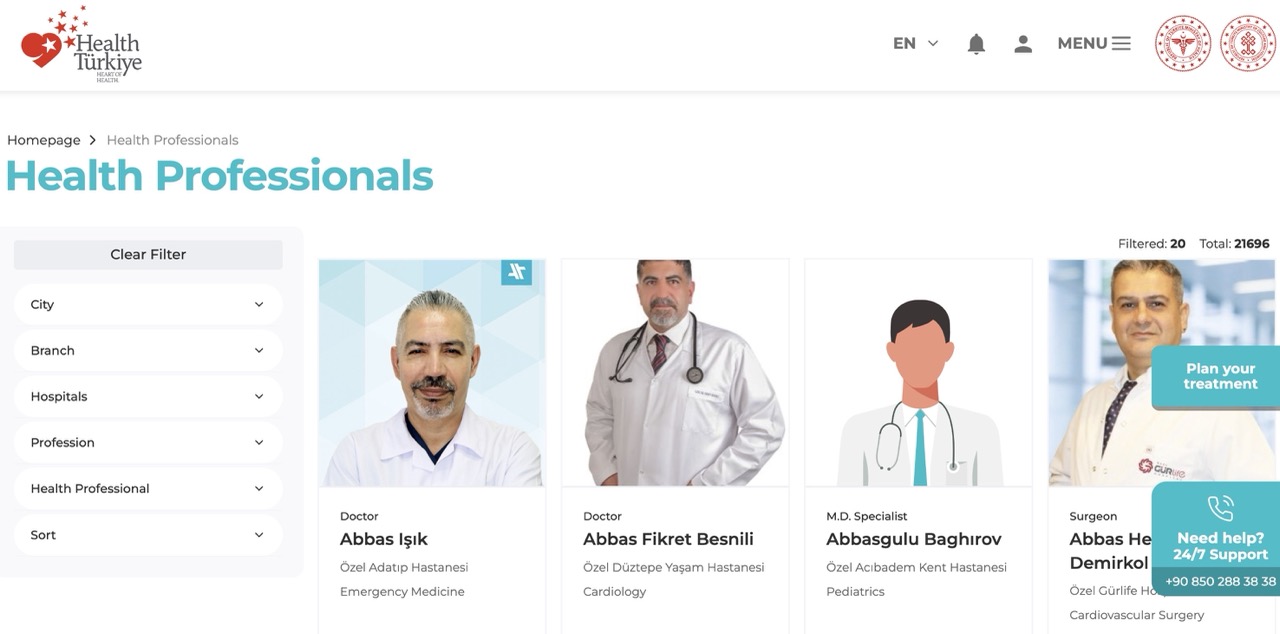
For “Facilitators with International Health Tourism Authorization Certificates”, find them on healthturkiye.com. It can be hard to search but you are getting familiar.

- Search the healthcare professional, hospital, agency, or the clinic’s full legal name.
- Check that the address matches what’s listed on their website.
- Make sure there’s a responsible doctor listed. That’s the person legally accountable for medical procedures performed there.
If the clinic doesn’t appear, or if the name differs slightly, it’s not licensed. The Ministry issues licenses only to facilities that pass strict health inspections for sterilization, emergency equipment, and staffing.
Confirm through USHAŞ (International Health Services Inc.)
USHAŞ, a public agency under the Ministry of Health, maintains an English-language support line and online form for international patients. They can verify if a clinic is authorized to treat foreign visitors.
- Visit the USHAŞ official website and look for the “Authorized Health Institutions” section from shgmturizmdb.saglik.gov.tr
- Or email their support team with the clinic’s name and city; they’ll respond within a few business days.
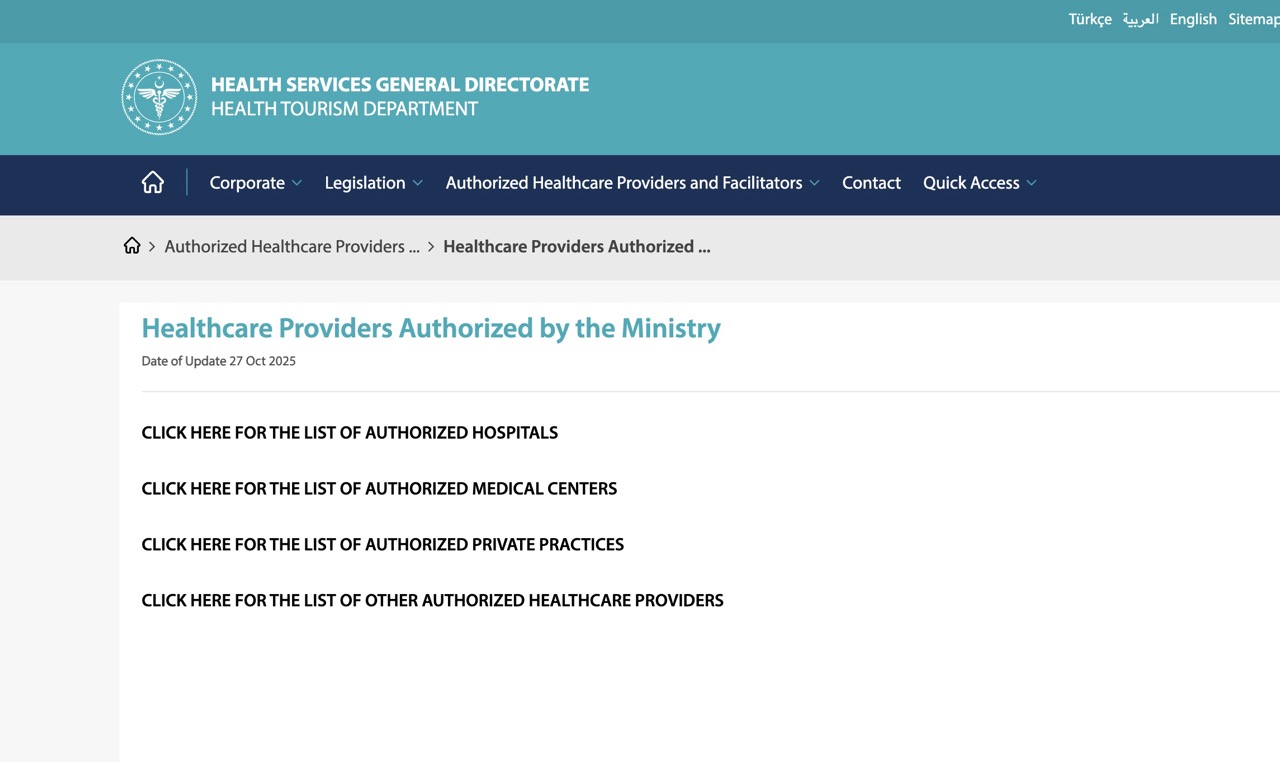
USHAŞ also helps resolve disputes and ensures medical tourism standards are met. In 2024, they processed over 1,200 patient verification requests, most involving hair transplant clinics in Istanbul and Ankara.

If a clinic passes the Ministry license, USHAŞ authorization, and surgeon verification, you’re dealing with a legitimate medical facility. If not, no price tag or glossy marketing should convince you otherwise.
Step 2: Confirm Who Performs the Surgery
This is the most important step. Ask directly.
- Who designs the hairline?
- Who opens the channels?
- Who places the grafts?
In some hair transplant Turkey situations, the doctor is deeply involved. In others, the process is mostly handled by technicians.
According to the ISHRS, surgeon involvement in planning and key stages is critical for consistent outcomes.
If this answer is unclear, pause.
Step 3: Evaluate Planning Quality
Majority of the best hair transplant clinics in Turkey talk about your case. Not just numbers. They explain donor limits, hairline design, and long-term expectations.
We’ve seen patients get very different results from similar FUE hair transplant Turkey procedures simply because planning was different.
Step 4: Understand Patient Volume
This affects everything. Higher volume usually lowers hair transplant Turkey cost, but also reduces time per patient. Lower volume increases attention, but may limit availability.
You don’t need the exact number. Just the model.
Step 5: Compare Real Cases
Before-and-after photos are everywhere. But relevant cases are rare. Ask for patients with similar hair type and hair loss pattern.
That’s where consistency becomes visible.
“Clarity before the procedure changes how the entire experience feels.”
— Istanbeautiful Team
So, you don’t need to analyze everything. You just need to ask the right questions in the right order.
That’s what separates guessing from deciding.
Doctor vs Technician
This is one of the most misunderstood parts of how to choose the best hair transplant clinic in Turkey. Most clinics don’t explain it clearly. And most patients don’t ask.
What the Doctor Should Be Doing
In a properly structured best hair transplant clinic Turkey setup, the doctor is not just supervising. They are involved in the key decisions. Hairline design. Channel opening. Overall surgical planning.
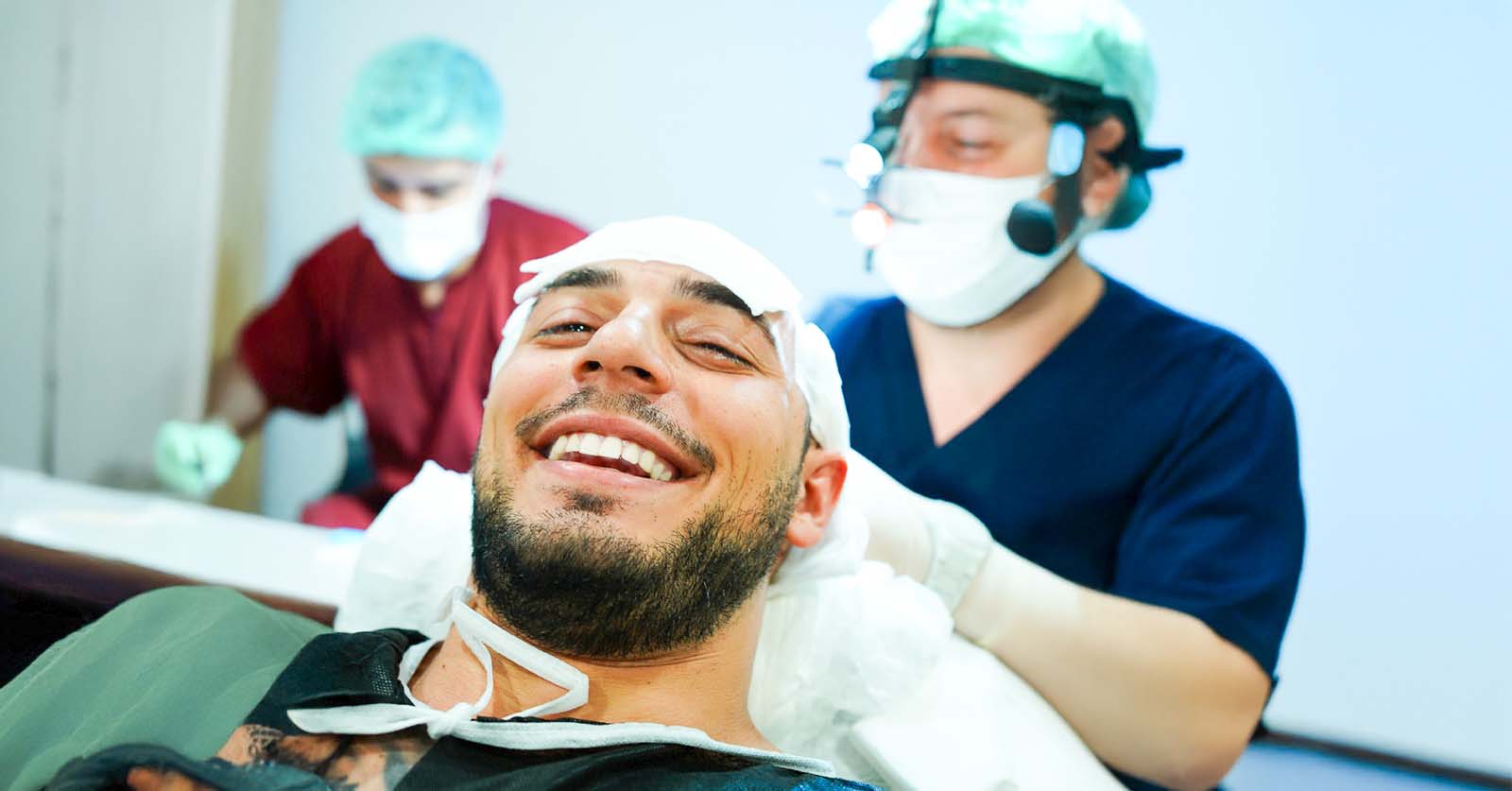
These steps define how natural the result will look.
According to the ISHRS, surgical planning and incision creation are critical stages that directly affect outcomes.
This is where experience matters most.
What Technicians Usually Do
Technicians are part of the process. They can assist with extraction or implantation under supervision. But the difference is control.
In some hair transplant Turkey scenarios, technicians perform most of the procedure with limited doctor involvement. That’s where inconsistency starts to show.
We’ve seen patients surprised to realize the doctor was only present briefly.
Why This Changes the Result
Hair transplantation is not repetitive work. Every case is different. Angle. Direction. Density. Distribution. These decisions happen in real time.
When the doctor is actively involved, adjustments happen naturally. When they are not, the process becomes more standardized.
That’s not always a problem. But it limits personalization.
A Question Worth Asking
Instead of asking “is the doctor involved”, ask: At what stages is the doctor involved?
That gives you a clearer answer.
So, mostly technicians support the process. The doctor defines it.
And that distinction is important more than most people expect.
Hair Transplant Techniques Explained (FUE vs DHI vs Sapphire)
If you’re researching how to choose the best hair transplant clinic in Turkey, you’ll keep seeing the same terms.
- FUE hair transplant Turkey
- DHI hair transplant Turkey
- Sapphire FUE hair transplant Turkey
It starts to feel like choosing the right technique is the main decision. It isn’t.
What Each Technique Actually Does
FUE is the base method. Hair follicles are extracted from the donor area and then implanted into thinning areas. According to PubMed and StatPearls, FUE graft survival averages around 90–95% when performed by trained surgeons using modern tools.

FUE suits most patients, especially men with early-to-moderate hair loss and healthy donor density.
DHI is a variation where implantation happens using a pen-like tool. It allows more direct placement, often useful when working between existing hairs. Studies in the Journal of Cutaneous and Aesthetic Surgery suggest DHI reduces graft handling time and trauma, slightly improving survival rates for delicate grafts.

The trade-off is that it is costlier and demands more surgeon time, meaning a real DHI session should always involve a doctor-led team.
Sapphire FUE refers to the blade used to open channels. The idea is finer incisions.

It’s especially effective for patients who want high-density restoration with minimal trauma to the skin.
That’s the technical difference.
When Technique Actually Matters
Technique can matter in specific cases. DHI can help in areas with existing hair. Sapphire tools may allow finer channel work. But these are refinements. Not guarantees.
According to the ISHRS, successful outcomes depend more on planning, graft handling, and surgical execution than the technique label itself.
Why Technique Is Not the Main Factor
We’ve seen patients choose clinics based purely on technique. “Only DHI”. “Only Sapphire FUE”. And then end up with average results. At the same time, we’ve seen strong results from basic FUE procedures.
The difference was not the method. It was how it was applied.
You should know that technique is a tool. Planning is the strategy. Execution is the outcome.
“Patients focus on technique. Surgeons focus on planning.”
— Dr. Güncel Öztürk
A Question Worth Asking
Instead of asking “which technique is best”, ask: How will this clinic use the technique for my case?
That’s where the real difference shows up.
And that’s what helps you make a better decision.