
Winter in Istanbul surprises people. Not with snowstorms or shutdowns, but with how livable the city still feels. Many first-time visitors assume Istanbul in winter means fewer options or second-best experiences. The opposite is usually true. The city slows down just enough to let you see it clearly.
Here’s the lesser-known part. Most of Istanbul’s headline sights were built for all seasons. Mosques, palaces, cisterns, bazaars, cafés, hammams. They work beautifully when temperatures drop and crowds thin.
According to official visitor data and local transport updates, winter brings fewer tour groups and shorter lines at major landmarks, especially in January and February.
What trips people up is not weather. It’s planning. Visitors overpack, overwalk, and underestimate rain. They try to force summer itineraries into shorter days. That’s where frustration starts.
Our guide is written to prevent that.
You’ll find practical answers to the questions people actually ask. What are the best things to do in Istanbul in winter when it rains? Which Istanbul winter activities feel cozy instead of cold? Where should you stay so evenings stay easy? What food and drinks do locals reach for when temperatures drop?
We lean on real patterns here. Forum discussions on TripAdvisor regularly mention winter fatigue caused by poor shoe choices and packed outdoor routes. Reddit travel threads echo the same thing. Visitors who plan for indoor depth enjoy winter far more than those chasing views all day.
Istanbeautiful Team insight:
“Winter visitors are happier when they plan fewer stops per day and add one warm break. A café, a hammam, a museum. That rhythm works.”
If you are visiting Istanbul in winter for the first time, our guide helps you match the city’s pace. Not theory. Just what actually works when daylight is shorter and the city feels more like itself.
The quick truth about winter in Istanbul
Winter in Istanbul is not one long, frozen season. It shifts month by month, and those shifts matter more than people expect. First-time visitors often plan winter trips as if December, January, and February feel the same. They don’t.

December still carries movement. Streets feel lively, shop windows light up, and evenings stretch longer than you expect. Many things to do in Istanbul in winter still happen outdoors, just with coats on.
No Regrets Booking Advice
According to official weather data, December is cooler but rarely extreme. Rain shows up more than snow, and daylight fades earlier, which changes pacing rather than access.
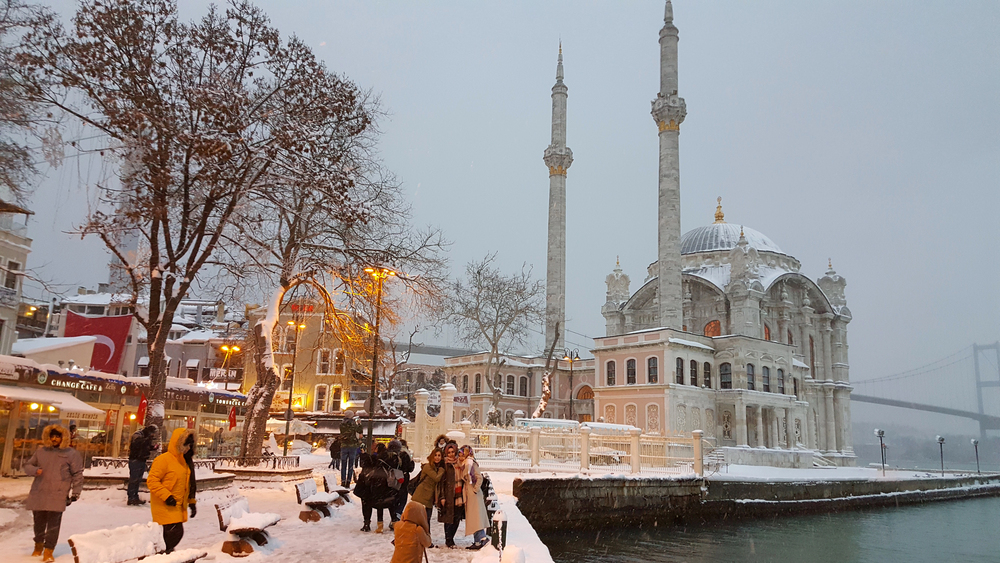
January is different. This is the quietest month. Locals travel less, tour groups thin out, and museums feel calmer. For travelers focused on indoor depth, January is one of the best times for Istanbul winter activities like palaces, cisterns, hammams, and long café stops.
TripAdvisor forum threads regularly mention how easy it feels to move around the city this month, even on busy routes.
February sits somewhere in between. It stays cool and damp, but you start to feel the city waking up again. Cultural calendars pick up, museum visits feel relaxed, and you can sense spring edging closer.
For many people visiting Istanbul in winter, February becomes the sweet spot between calm and energy.
What catches visitors off guard is not cold. It’s planning like it’s summer. Shorter days mean fewer outdoor stops. Wet stone streets mean footwear matters. Wind along the Bosphorus feels sharper than temperatures suggest.
Istanbeautiful Team insight:
“Winter works best when you plan your day inward, not outward. One outdoor walk, then warmth.”
What to wear and pack for winter in Istanbul
Winter packing for Istanbul is where most first-time visitors overthink things. They picture snow and heavy coats, then arrive and realize the real challenge is rain, wind, and long walks on stone streets. Understanding Istanbul winter weather makes packing much simpler.
Shoes matter more than coats
If there is one non-negotiable for what to pack for Istanbul winter, it is footwear. Streets are often wet, especially around historic areas with polished stone.
According to local weather data, rain is far more common than snow. Waterproof, comfortable shoes will save your energy more than any thick jacket. This is where many TripAdvisor forum posts trace winter frustration back to. Sore feet end days early.
The simple layering system locals use
For what to wear in Istanbul in winter, think layers, not bulk. A light base layer, a warm mid-layer, and a windproof outer jacket work better than one heavy coat. Trams, ferries, museums, and cafés are well heated. You will be warm indoors and chilly outside, sometimes within minutes of each other.
Scarves are not fashion extras here. They block wind on ferries and uphill streets. Locals rely on them for a reason.
Umbrella or rain jacket?
This is a personal choice, but many locals prefer a hooded rain jacket. Sideways rain and wind make umbrellas awkward in busy areas. Reddit travel threads often mention umbrellas turning into obstacles on narrow sidewalks.
Istanbeautiful Team insight:
“If your shoes are dry and your neck is warm, winter in Istanbul feels easy.”
Small extras
A compact backpack helps when layers come on and off. Gloves are useful, hats are optional. Skip thermal overload. Comfort beats insulation every time.
Best things to do in Istanbul in winter
Winter rewards choices that feel warm, unrushed, and easy to reach. The best things to do in Istanbul in winter are not about chasing views all day. They are about depth. Places where weather fades into the background and the city starts speaking more clearly.
Warm indoor classics that shine in winter
Museums and historic interiors are where Istanbul winter activities quietly excel. Hagia Sophia, Topkapı Palace, and the Basilica Cistern feel calmer once peak season ends.
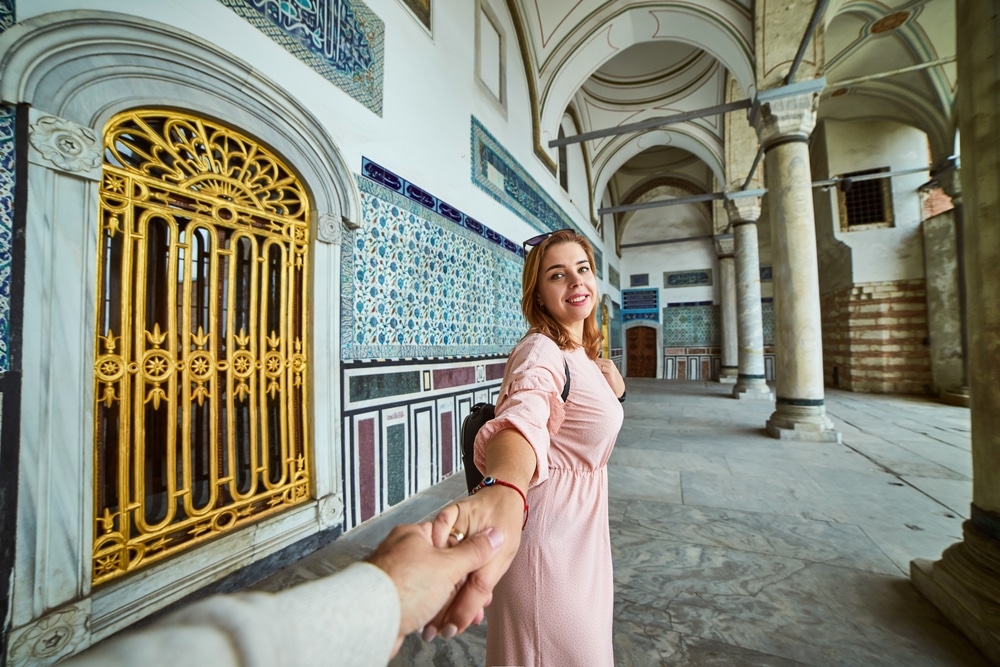
According to visitor patterns shared by museum authorities and city listings, January and February often bring noticeably shorter queues. The Basilica Cistern, in particular, feels almost designed for winter, cool air, low light, and no pressure to rush.
These visits work best mid-morning. You avoid early damp chill and finish before afternoon crowds drift in.
Top Tickets
Hammams and slow rituals
A Turkish hammam changes winter entirely. Steam, marble heat, and ritual pacing reset tired legs and cold hands. This is one of the most loved Istanbul winter activities among repeat visitors.

TripAdvisor forum threads often mention hammams as the highlight of winter trips, not museums.
Plan it for late afternoon. You walk out warm, relaxed, and ready for dinner.
Istanbeautiful Team insight:
“We suggest scheduling a hammam after a walking-heavy day. It makes winter feel generous.”
Top Tickets for Hammams
Cozy cafés and everyday Istanbul
Winter is café season. Neighborhood spots fill with conversation, tea glasses, and backgammon boards. You do not need a destination café list. Walk until one feels right, then stop. That pause often becomes the memory.
Istanbul Aquarium
An Istanbul Aquarium visit fits winter days, especially December, when you want a fully indoor plan that does not demand the focus level of a museum. Located in Florya, the aquarium follows a long, walkable route through themed marine environments, moving from one climate zone to another without feeling rushed.
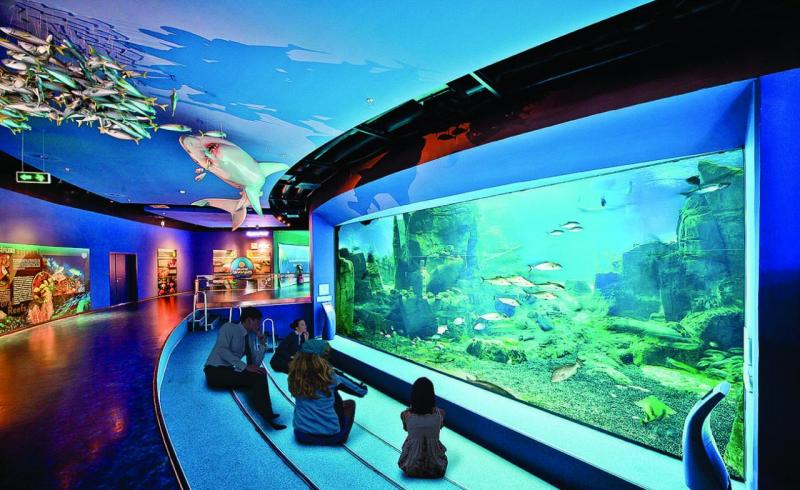
It works well as a relaxed afternoon. Pair it with a seaside coffee afterward if the weather cooperates.
Workshops and Hands-On Evenings
Winter evenings in Istanbul suit experiences that keep you warm and focused. Turkish mosaic lamp workshops are a good example. You sit in a heated studio, work with your hands, and leave with something you actually made.
Top Tickets for Thematic Parks
Mystical night out with Whirling Dervishes Show
Whirling Dervishes Show feels especially right in winter. The city slows down. Nights grow longer. And the contrast between cold streets and a warm, candle-lit interior becomes part of the experience.
This is not a loud or performative evening. It is calm and focused. After a full day of winter sightseeing, stepping into a quiet venue feels grounding. The ceremony lasts about an hour and offers something rare during city travel. Stillness.
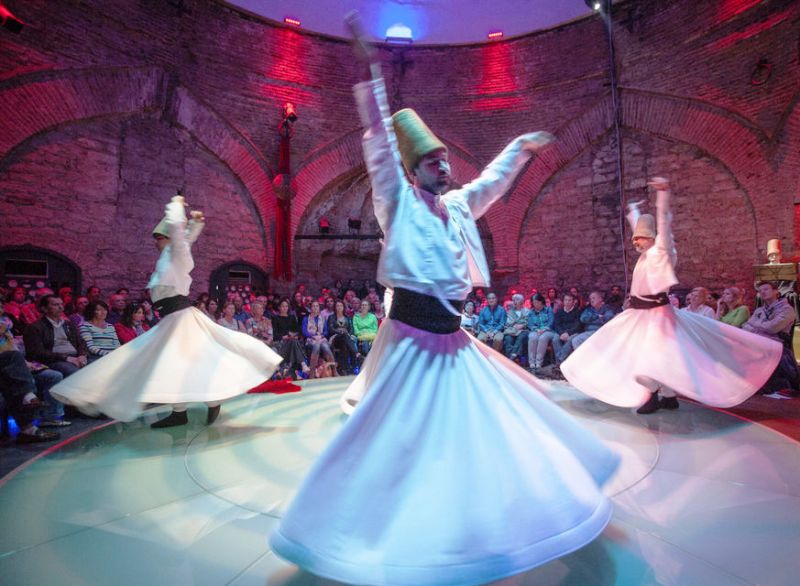
Two venues consistently stand out for setting and respect for the ritual. Hodjapasha Culture Center and Orient Express Hall both host well-run performances that avoid turning the ceremony into spectacle.
December evenings, especially weekends and holiday weeks, still see strong demand. Booking a day or two ahead helps.
Istanbeautiful Team note:
“December suits this experience perfectly. Cold outside, warmth inside, and no pressure to rush afterward.”
This works beautifully as a culture-first evening, followed by a relaxed dinner nearby.
Buy Whirling Dervishes Show Tickets at Hodjapasha Culture Center
Buy Whirling Dervishes Show Tickets at Orient Express Hall
Short outdoor moments that still work
You do not need to avoid the Bosphorus entirely. Keep walks short. Viewpoints like Galata or Ortaköy work well in brief visits, especially on clear days. Think intervals, not marathons.
Museum visits in winter
Winter is the best season for museums in Istanbul. Not because the collections change, but because the experience does. Fewer crowds, quieter halls, and no pressure to rush back outside make museum time feel deeper and more rewarding.
The classics feel different in winter
Places like Hagia Sophia, Topkapı Palace, and the Basilica Cistern are open year-round, but winter changes how you move through them. Lines are shorter, security checks feel calmer, and you can actually pause without blocking a crowd.
According to visitor patterns shared by museum authorities and travel forums, January and February often offer the smoothest entry experience of the year.
Topkapı Palace works especially well in winter. You move between indoor sections at your own pace, warming up as you go. The Basilica Cistern almost feels designed for colder months. Dim light, quiet echoes, and cool air without the summer humidity.
Istanbeautiful Team insight:
“Winter is the only time we tell visitors to slow down inside museums. You finally can.”
Modern and art-focused museums come into their own
Winter is ideal for places like Istanbul Modern, Pera Museum, and the Istanbul Archaeology Museums. You spend more time reading, watching, and absorbing instead of moving on to the next stop. Café breaks inside these museums feel natural, not like escapes.
For things to do in Istanbul in winter, these museums provide structure without forcing you outdoors when the weather shifts.
Practical winter tips for museum days
Plan museum visits late morning to early afternoon. You avoid the damp chill of early hours and return before darkness sets in. If rain picks up, museums become easy plan swaps instead of cancellations.
Bosphorus Cruise in winter
A Bosphorus cruise is often treated as a summer-only idea. Winter changes the experience, not the value. The water is calmer, the boats are quieter, and the shoreline feels more lived-in than staged.
In Istanbul in winter, the Bosphorus gives context. You see how neighborhoods connect. You feel the scale of the city without fighting crowds.
What a winter Bosphorus cruise actually feels like
Winter cruises are slower and more spacious. Palaces, waterfront mansions, and mosques stand out against softer light and grey skies. According to ferry operators’ winter schedules, services run daily with fewer departures, which keeps boats from feeling rushed.
Most boats are heated inside. Hot tea is usually available. You step outside briefly for photos, then retreat inside. That rhythm works well in cold weather.
For first-time visitors looking for things to do in Istanbul in winter, a short daytime cruise fits best between indoor visits.
Istanbeautiful Team insight:
“In winter, the Bosphorus is about perspective, not entertainment.”
Bosphorus sunset cruise in winter
A Bosphorus sunset cruise can be beautiful in winter, but it is weather-dependent. On clear days, low winter light creates dramatic colors along the shoreline. On cloudy days, sunset fades fast.
Timing matters. Winter sunsets come early. If you choose this option, check the forecast and aim for earlier departures. Sunset cruises work best in December, when the city still feels lively in the evenings.
This option suits travelers who already plan to stay nearby afterward. Moving across the city late adds friction.
Top Bosphorus Sunset Cruise Tickets
Bosphorus dinner cruise in winter
A Bosphorus dinner cruise is more about atmosphere than views in winter. Indoor seating, warm lighting, and live music create a contained evening. You trade open decks for comfort.
This works well if you want a single, structured night without navigating transport in bad weather. Food quality varies by operator, so expectations should stay realistic. The experience matters more than the menu.
TripAdvisor forum discussions often show that travelers enjoy dinner cruises more when they treat them as an evening out, not a gourmet event.
Istanbeautiful Team insight:
“Dinner cruises work best in winter when you want everything handled in one place.”
Top Bosphorus Dinner Cruise Tickets
Tour boats or public ferries?
Tour boats offer narration, warmth, and simplicity. Public ferries are cheaper and feel local, but routes and stops can confuse first-time visitors in winter. Choose comfort over savings.
Winter food and drinks in Istanbul
Cold days in Istanbul change appetites. You stop chasing rooftop views and start looking for warmth, comfort, and places where time slows down. Winter food culture here is not flashy.

It is practical, familiar, and deeply satisfying, which is why it becomes one of the quiet highlights of things to do in Istanbul in winter.
Salep: the drink that defines winter
If you notice people holding small paper cups and walking slowly, they are probably drinking salep. This hot, creamy drink made from orchid root powder shows up everywhere once temperatures drop. Locals drink it mid-afternoon or after dinner, usually sprinkled with cinnamon.
According to local café traditions, salep is as much about warmth as ritual. You sip it slowly. You do not rush it.
For first-time visitors, this is an easy entry into Istanbul winter activities. No reservations. No planning. Just follow the steam.
Boza: an acquired taste, worth trying once
Boza divides opinion, and that is part of its charm. Thick, slightly fermented, and mildly sweet, it is traditionally sold in winter evenings. Some love it instantly. Others don’t. Trying it once is part of understanding the season. Locals usually add cinnamon and roasted chickpeas on top.
TripAdvisor forum discussions often mention boza as unexpected, but memorable. That is accurate.
Winter street food and soups
Roasted chestnuts, corn, and simple soup shops come into their own in winter. Lentil soup or tripe soup after a cold evening feels restorative, not heavy. These places are informal and welcoming.
Istanbeautiful Team insight:
“In winter, we tell visitors to eat like locals do. Simple food, warm drinks, no rushing.”
Shopping and winter sales in Istanbul
Winter quietly favors shoppers in Istanbul. Crowds thin out, shopkeepers have more time, and prices soften in ways you rarely see in peak season.
For first-time visitors, this becomes one of the most practical things to do in Istanbul in winter, especially if you enjoy browsing without pressure.
January sales and where locals go
January is the strongest month for discounts. Clothing, shoes, and outerwear see the biggest drops, especially after New Year’s. Shopping malls like Istinye Park, Zorlu Center, and Kanyon turn into reliable options when rain sets in. They are warm, well connected by metro, and easy to navigate.

According to retail patterns shared by local business listings, winter sales here are real, not symbolic.
This works best if you plan shopping as a half-day activity, not a quick stop. You stay dry, warm, and unhurried.
Grand Bazaar in winter: calmer and more honest
The Grand Bazaar feels different in winter. Fewer tour groups. More space to walk. More conversation. Shopkeepers are often more open to discussion, and the pace slows enough to browse properly.

Timing matters. Late morning works better than early opening hours, when shops are still settling. According to TripAdvisor forum threads, winter visitors report a noticeably calmer experience compared to spring and summer.
Istanbeautiful Team insight:
“Winter is when the Grand Bazaar feels human again. You can actually look.”
What’s worth buying in winter
Textiles shine this season. Scarves, shawls, coats, leather goods, and knitwear feel practical rather than decorative. Ceramics and home items are easier to pack than bulky souvenirs. Skip impulse buys. Winter rewards thoughtful choices.
A small reality check
Bazaars still require awareness. Prices are flexible, not fixed. Ask, pause, and decide. There is rarely urgency in winter.
Explore Istanbul with a Tourist Pass
Winter changes how a tourist pass fits into an Istanbul trip. You are not trying to pack sights back to back or rush through highlights before closing time. You are choosing moments when weather, light, and energy line up. That is where a tourist pass becomes quietly useful, without forcing you into a rigid plan.
If you are visiting Istanbul in winter and expect to see several major attractions, a pass will not define your trip. But it can remove friction on colder or wetter days. No standing outside in ticket lines. No second guessing whether something is worth the effort once you are already out. Winter travel works best when entry is easy and decisions stay flexible.
MegaPass Istanbul
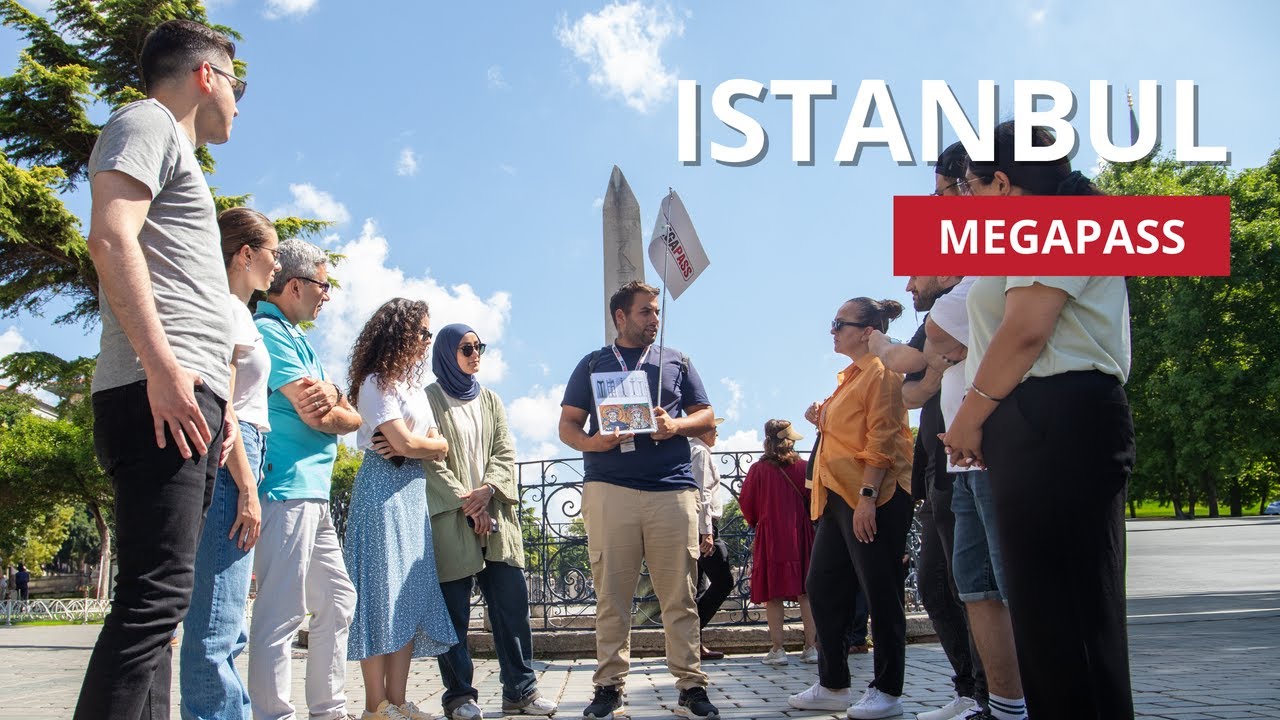
MegaPass Istanbul fits winter particularly well because it is attraction-based rather than day-based. You choose a set number of experiences and decide when to use them. That flexibility matters in a season where plans often shift based on rain, wind, or simply how you feel that morning.
One clear day might be perfect for Topkapı Palace or the Basilica Cistern. Another might suit museums like the Istanbul Archaeology Museums, a short Bosphorus cruise in winter if the water is calm, or an indoor workshop. MegaPass lets you follow the moment instead of forcing a schedule.
Book Your Istanbul MegaPass Premium
Istanbul E-Pass

The Istanbul E-Pass works well if you prefer everything bundled into one digital setup. Entry to multiple attractions, skip-the-line access where available, and built-in audio guides reduce planning time and exposure to cold or rain.
For three to four day winter trips, E-Pass keeps mornings efficient. You enter, explore, warm up, then move on without lingering logistics.
Buy Your Istanbul E-Pass Online
Which pass makes sense in winter?
If you like adapting plans day by day, MegaPass Istanbul feels more natural in winter. If you prefer minimal planning and quick access, Istanbul E-Pass keeps things straightforward.
Either way, the real benefit in winter is not saving money. It is saving energy.
Winter festivals and celebrations in Istanbul
Winter in Istanbul is quieter, but it is never empty. The city slows down, crowds thin out, and most events in Istanbul move indoors. For first-time visitors, this season works best when expectations stay grounded. You will not find nonstop festivals or packed schedules. What you will find is atmosphere, culture, and moments that feel closer to daily life.
Winter rewards people who enjoy sitting, watching, and absorbing rather than rushing.
Istanbul International Theater Festival (November to December, selected years)
The Istanbul International Theater Festival, organized by İKSV every two years, brings Turkish and international productions to stages across the city. Performances range from contemporary plays to experimental works and opera-inspired productions.
What makes this festival especially appealing in winter is accessibility. Many shows offer English surtitles, and venues are spread across Beyoğlu, Beşiktaş, Kadıköy, Üsküdar, and Fatih. Winter evenings suit theater well. You arrive, sit comfortably, watch the performance, and leave without worrying about rain, cold streets, or long outdoor walks.
For visitors who want culture without logistical stress, this is one of the most rewarding Istanbul winter activities.
Istanbeautiful Team insight:
“This festival is ideal if you want culture without standing in the cold.”
More information is available at tiyatro.iksv.org/en.
Christmas celebrations in Istanbul
Christmas is not a public holiday in Turkey, but Istanbul’s international character keeps the season visible. Neighborhoods like Nişantaşı and Istiklal Street are decorated with lights, and international hotels and restaurants offer festive menus.
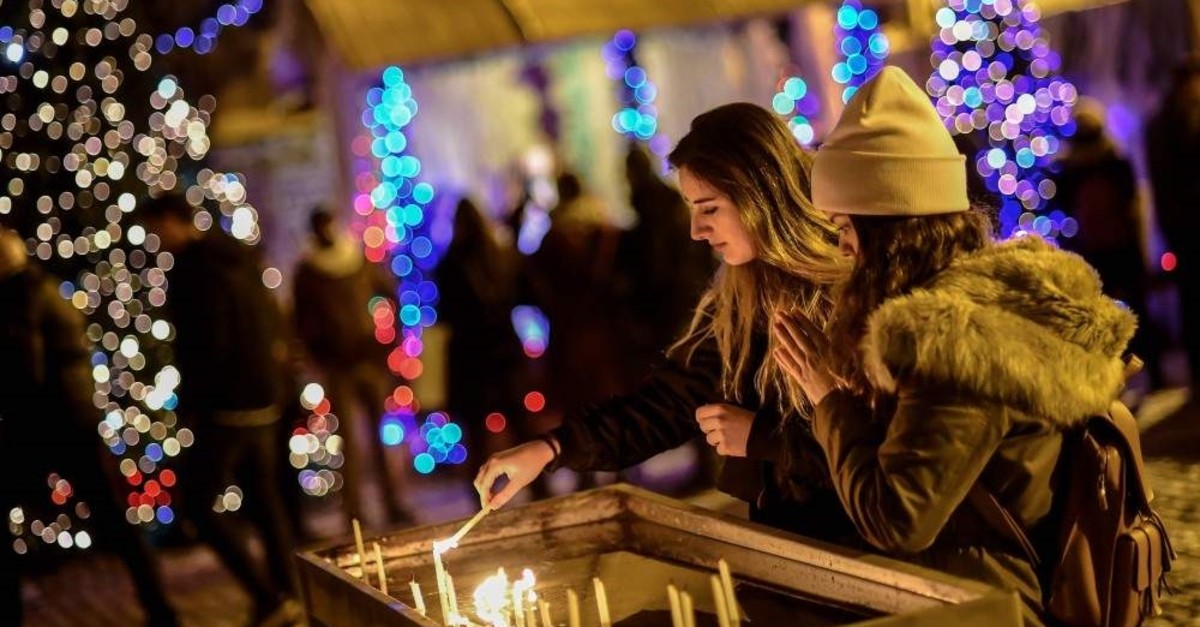
Small Christmas markets appear in select locations, usually attached to hotels or cultural centers rather than large public squares.

Church services take place in Beyoğlu and at the Fener Greek Patriarchate. On December 24 and 25, Christian communities attend services, light candles, and gather quietly. January 6 marks Epiphany, with ceremonies along the Golden Horn that feel deeply traditional and respectful.
Some travel agencies organize guided walks through Beyoğlu churches on Christmas Eve, often combined with dinner and a mass. For visitors who celebrate Christmas, this offers a meaningful and immersive way to experience the holiday in Istanbul, rather than just observing decorations from a distance.
New Year’s Eve in Istanbul (December 31)
New Year’s Eve is one of the most searched events in Istanbul, and also one of the most misunderstood.

Fireworks are informal rather than choreographed. Street celebrations concentrate around Taksim, while hotels, rooftops, and Bosphorus cruises host ticketed parties that sell out early.
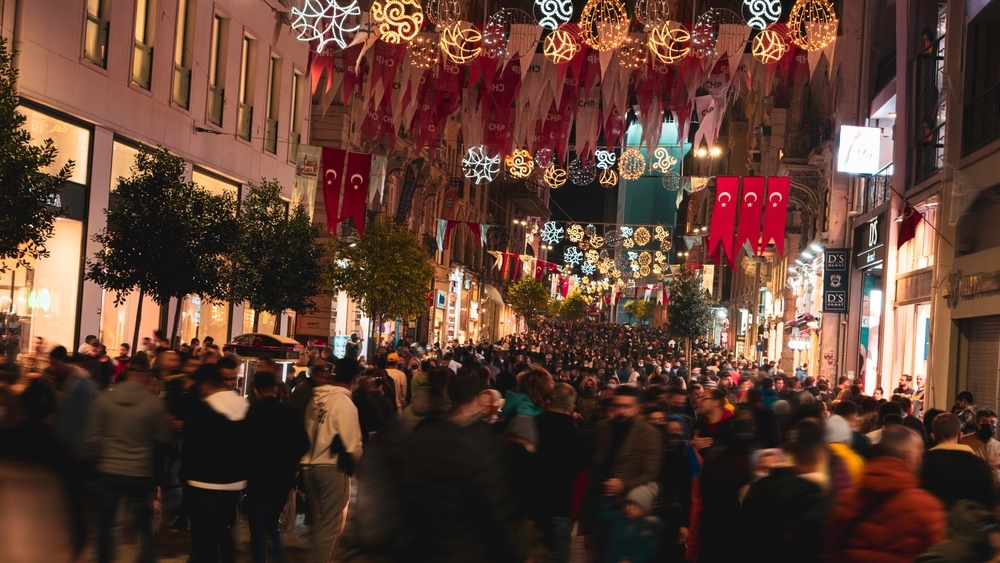
Transport slows after midnight, and crossing the city becomes difficult. TripAdvisor forum threads and Reddit travel discussions consistently show that travelers enjoy the night more when they choose one area and stay there instead of chasing multiple plans.
Istanbeautiful Team insight:
“New Year’s works best when you commit to one plan and ignore the rest.”
Where to stay in Istanbul in winter
Where you stay shapes your entire winter experience. For first-time visitors visiting Istanbul in winter, location matters more than hotel category. Short days, cooler evenings, and occasional rain make convenience a real comfort factor, not a luxury.
Beyoğlu and Taksim for evenings and flexibility
If winter culture, dining, and night plans matter to you, Beyoğlu and Taksim are hard to beat. Many theaters, concert halls, and winter events in Istanbul sit nearby. Streets stay lively after dark, cafés remain open late, and getting back to your hotel is rarely complicated.
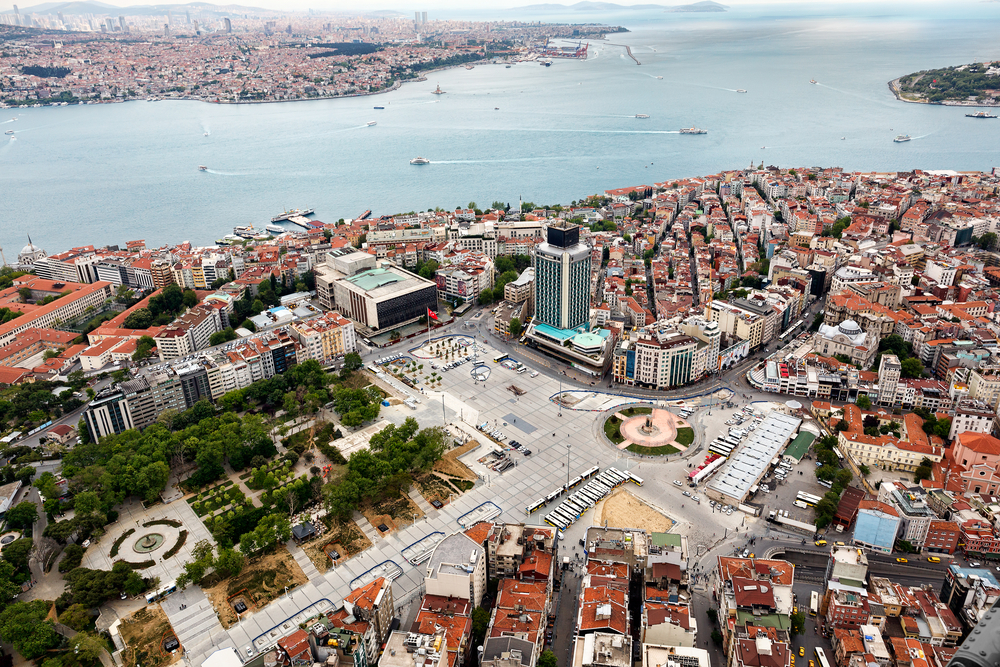
This area suits travelers who want to combine museums by day with relaxed evenings. According to traveler discussions on TripAdvisor forums, first-time visitors staying here report fewer skipped plans during winter.
Istanbeautiful Team insight:
“In winter, we always recommend staying where nights feel easy. Beyoğlu saves energy.”
Sultanahmet for early sightseeing and quiet nights
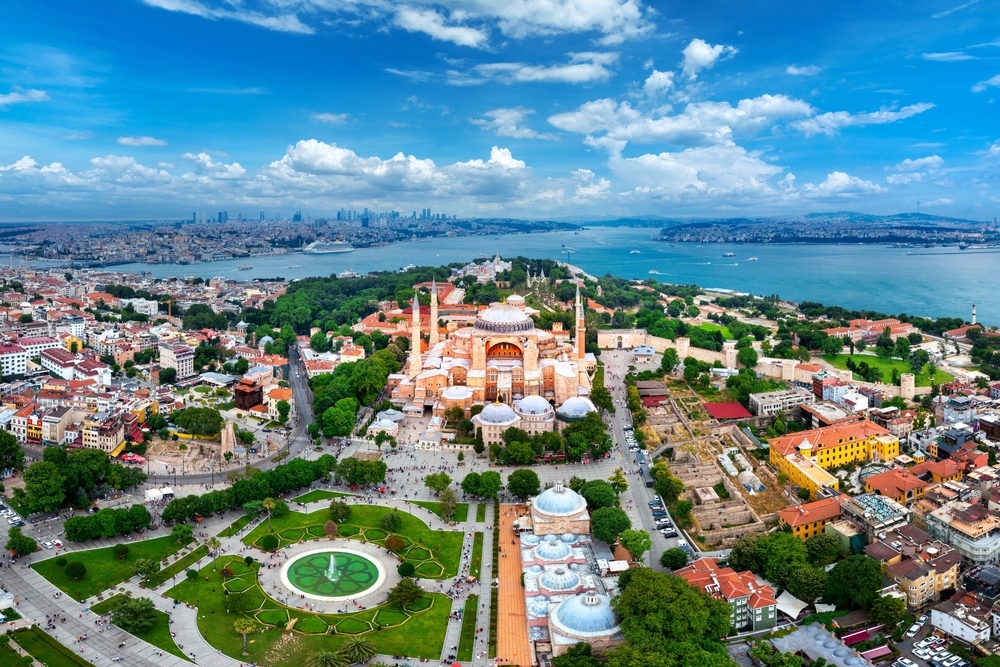
Sultanahmet works well if your focus is classic sights. Hagia Sophia, the Blue Mosque, Topkapı Palace, and the Basilica Cistern are all close, which helps on colder mornings. Evenings, however, grow quiet early. This suits travelers who prefer calm nights and early starts rather than nightlife.
For things to do in Istanbul in winter that are museum-heavy, this base makes sense.
Kadıköy for café culture and local rhythm
On the Asian side, Kadıköy offers a slower, more local winter rhythm. Cafés, bookshops, and small venues stay busy, and evenings feel social without being loud. Ferry planning matters more in winter, but many visitors find the calmer pace worth it.
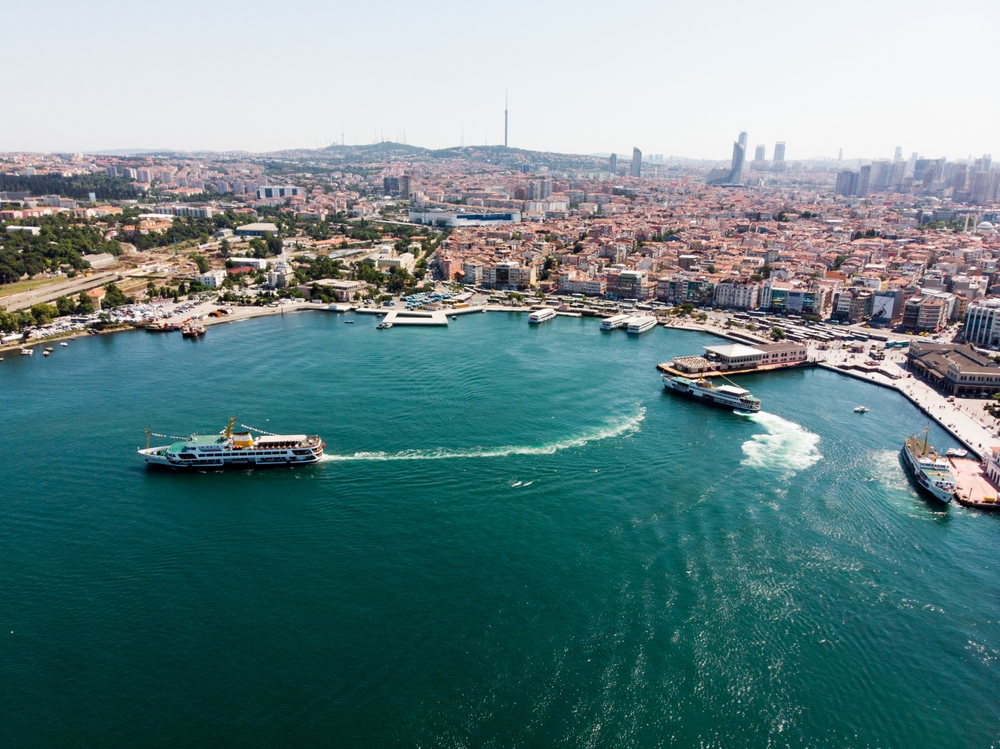
This area suits travelers who enjoy neighborhood life and do not mind slightly longer crossings.
Winter itineraries in Istanbul
Winter days in Istanbul ask for flexibility. Shorter daylight, occasional rain, and cooler evenings mean rigid plans fall apart quickly. These itineraries are built for first-time visitors who want structure without stress, plus a simple backup when weather changes.
3 days in Istanbul in winter (first-time essentials)
Use this if your time is limited and you want the city’s core without rushing.
Day one works best around Sultanahmet. Visit Hagia Sophia, the Blue Mosque, and the Basilica Cistern, all close together and mostly indoors. Take a slow lunch nearby, then end the afternoon with a short walk or tea break.
Day two shifts toward Beyoğlu. Explore Galata Tower in clear weather, then spend time in museums or cafés along İstiklal Street. A hammam in the late afternoon resets energy for the evening.
Day three suits a Bosphorus focus. A short daytime cruise works well in winter when visibility is clear and crowds are lighter.
Rain plan: swap outdoor walks for the Grand Bazaar and Spice Bazaar. Both stay lively and dry.
Top Tickets
5 days in Istanbul in winter (balanced pace)
This version adds neighborhoods and warmth breaks. Spread museums across two days instead of one. Add Kadıköy for café hopping and local food. Include one cultural evening, such as theater or live music.
Rain plan: turn neighborhood days into museum clusters or mall visits like Zorlu Center or Istinye Park, which locals also use on wet days.
Istanbeautiful Team insight:
“In winter, we plan one anchor activity per day and leave space around it. That buffer changes everything.”
7 days in Istanbul in winter (deep and relaxed)
With a full week, slow down. Add a second Bosphorus day, more hammam time, and longer museum visits. Consider short day trips only if weather is stable. Avoid stacking long outdoor routes.
Rain plan: keep one full indoor day reserved. Museums, hammams, cafés, and shopping easily fill it.
Winter itineraries work best when they bend. Build your days inward first, then let the city reveal itself around them.
Winter-friendly day trips from Istanbul
Winter day trips can work well from Istanbul if you pick places that reward warmth, history, or nature without punishing travel times. These options are realistic for first-time visitors who want a break from the city without turning the day into a commute.
Yalova: thermal springs and quiet nature
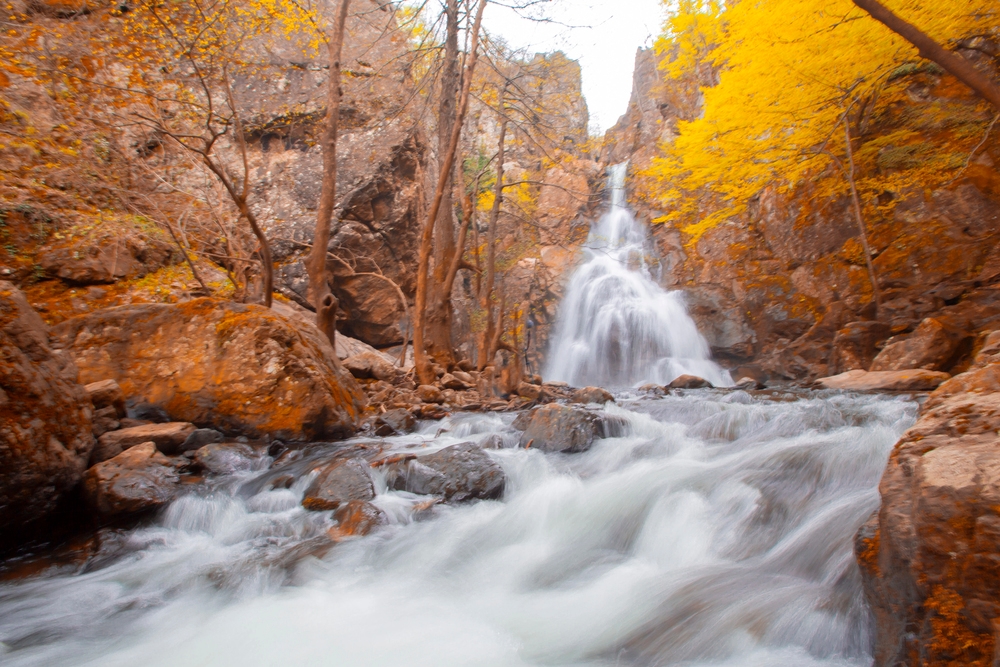
Yalova is one of the easiest winter escapes. The draw is simple. Thermal baths, forest air, and a slower pace. You can soak in hot spring pools, walk short nature trails, or do very little at all. That last option is underrated in winter.
How to get there: ferries from Istanbul make this a smooth trip, even on colder days. You avoid long road travel and arrive relaxed.
Istanbeautiful Team insight:
“Yalova works best in winter when you lean into rest, not sightseeing.”
Bursa and Uludağ: Ottoman heritage with altitude
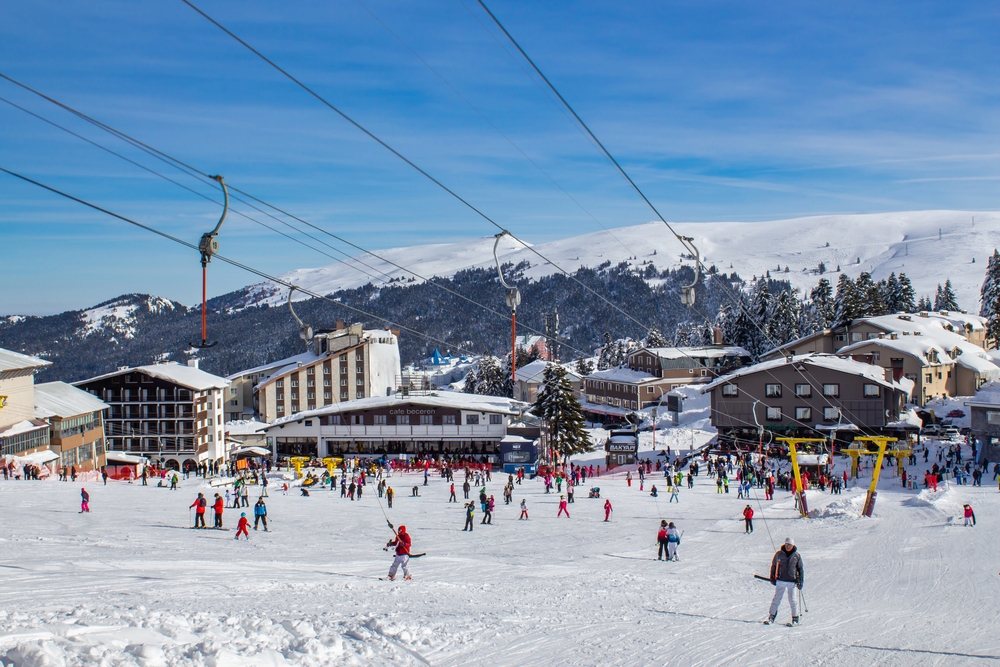
Bursa offers two experiences in one day. Ottoman-era mosques and bazaars in the city, then a climb to Uludağ Mountain by cable car for views and winter atmosphere. Snow is more likely here than in Istanbul, but it is never guaranteed.
How to plan it: buses and organized tours keep logistics simple, especially in winter. This is a long day, so start early and pace yourself.
If you want details, see our guide on Istanbul to Bursa Uludağ day trips.
Iznik (Nicaea): history without crowds
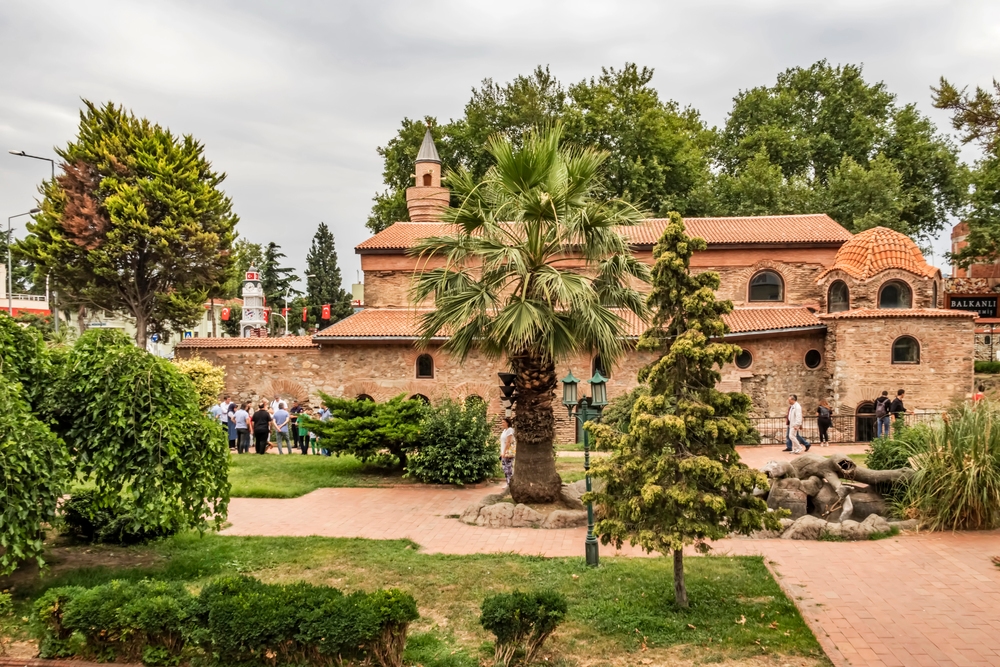
Iznik appeals to travelers drawn to early Christian and Byzantine history. Ancient walls, ruins, and the setting of the First Council of Nicaea give the town quiet weight. Winter suits Iznik well. Fewer visitors. More space to think.
This trip works best for history-focused travelers who enjoy calm exploration rather than packed schedules.
Edirne: Ottoman architecture at its best
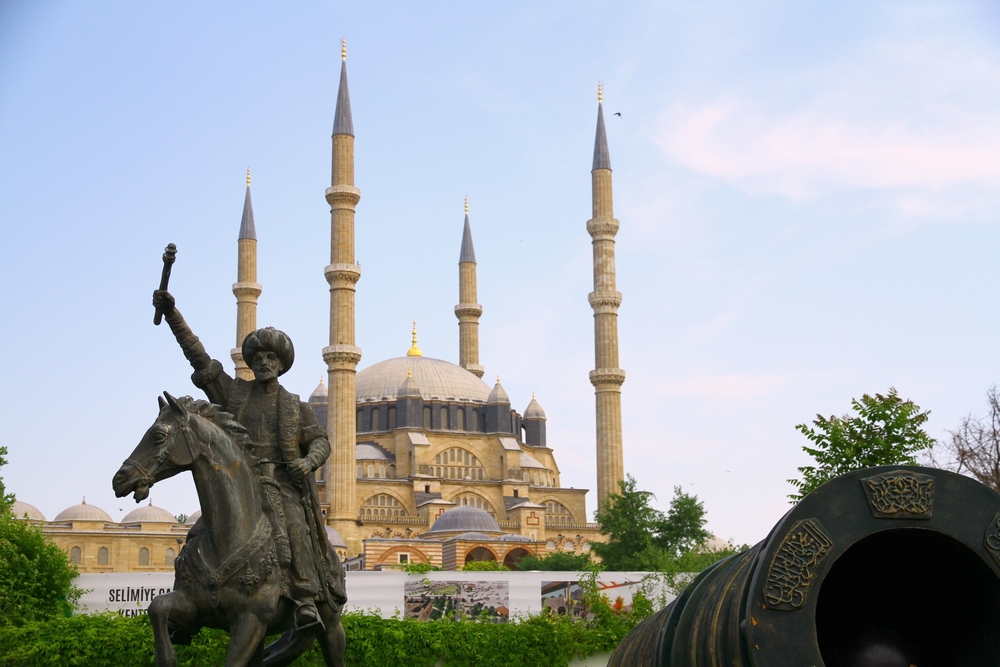
Once the Ottoman capital, Edirne feels stately and grounded. The Selimiye Mosque alone is worth the trip. Winter keeps crowds light and lets the architecture speak.
Travel time is longer, so this works best if you are comfortable with full-day outings.
Troy and Gallipoli: depth over distance
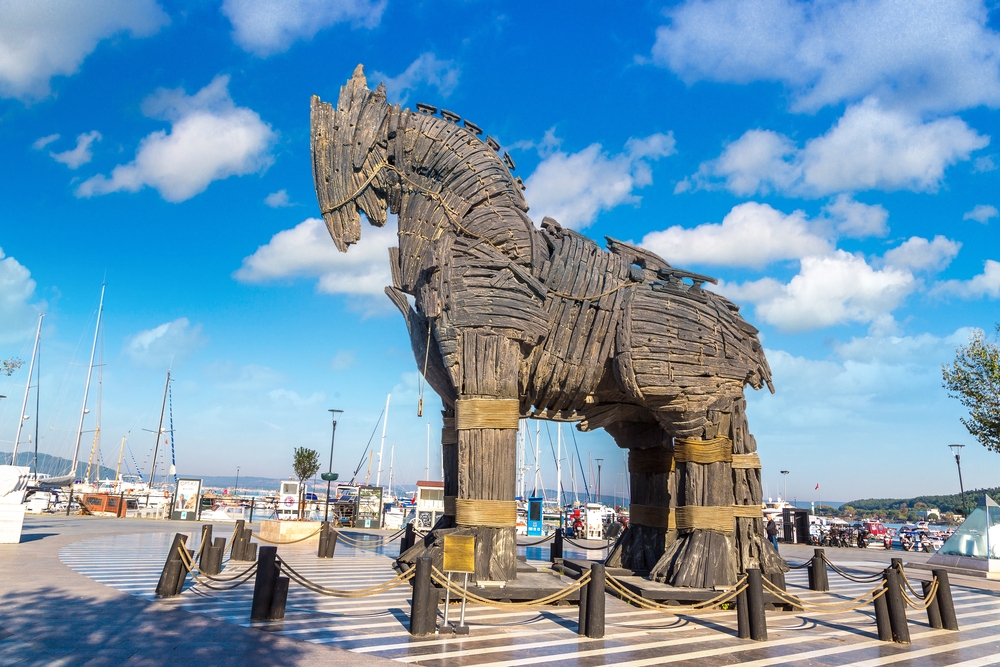
For serious history lovers, Troy and Gallipoli offer emotional and intellectual depth. These are long days and best done with organized tours, especially in winter.
If this interests you, see our detailed guide on Istanbul to Troy and Gallipoli day trips.
Sapanca Lake and Maşukiye: soft nature close to the city
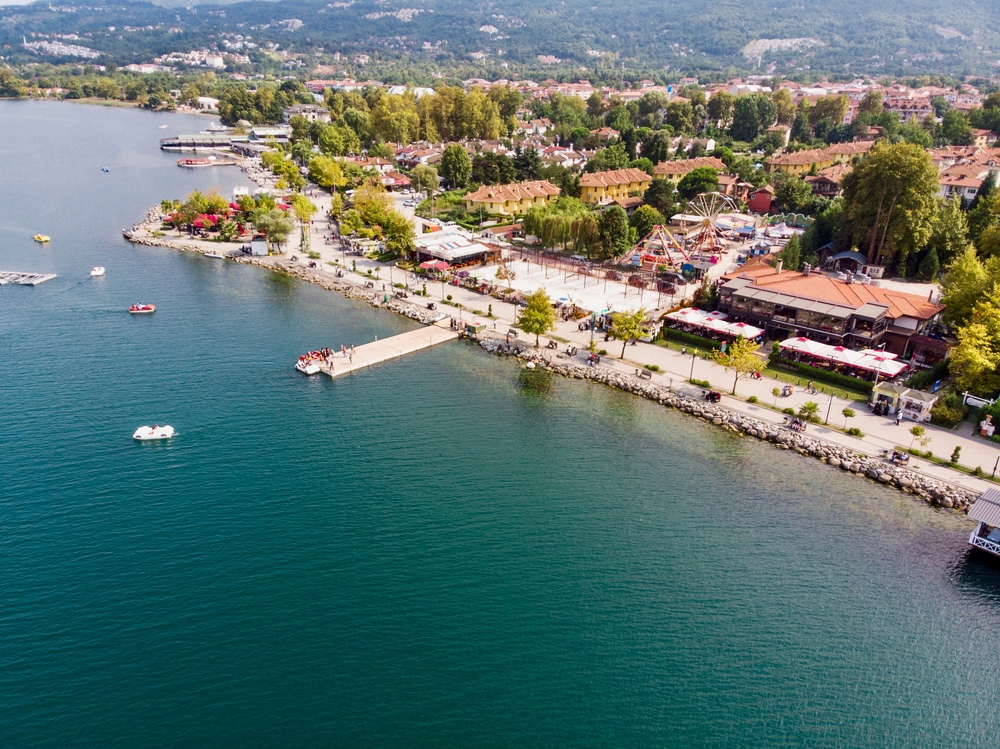
Sapanca Lake and Maşukiye offer forest views, lakeside meals, and short walks. Snow sometimes appears, sometimes not. Either way, the setting feels restorative.
If you want more details, explore our guide to Istanbul to Sapanca Maşukiye day trips.
Costs, crowds, and booking timing
Winter quietly shifts the balance in Istanbul. Prices soften, crowds thin, and planning becomes more forgiving, as long as you understand where flexibility helps and where it doesn’t.
Costs: where winter actually saves you money
For most first-time visitors, winter brings better value across the board. Hotel prices usually drop after New Year’s, especially in January and early February. Mid-range hotels see the biggest dips, not luxury properties. Flights also tend to be cheaper outside holiday weeks.
Attractions rarely change entry prices, but winter reduces the hidden costs. Fewer taxis taken out of exhaustion. Less pressure to overbook tours. Meals feel more relaxed and less rushed. That adds up.
According to patterns shared on TripAdvisor forums, winter travelers often report spending less overall, even when staying longer.
Crowds: when Istanbul feels breathable
December still carries movement, especially around holidays. January is the quietest month. Museums, bazaars, and cafés feel noticeably calmer. February sits in between, with more locals out but still far from peak season.
This matters for things to do in Istanbul in winter that rely on atmosphere. The Basilica Cistern feels deeper. Hammams feel less hurried. Even popular streets give you room to walk.
Istanbeautiful Team insight:
“January is when Istanbul feels like it belongs to you for a moment.”
Booking timing: what needs planning, what doesn’t
Winter travel rewards loose planning. Most museums and attractions do not sell out. You can decide the same morning. Exceptions exist. New Year’s Eve events, Bosphorus dinner cruises, Whirling Dervishes shows in December, and popular theater performances still fill quickly. Booking these a few days ahead is enough.
Hotels offer better last-minute deals, but booking early gives you choice rather than savings.
Top Tours & Tickets
Common questions about visiting Istanbul in winter
Is Istanbul worth visiting in winter?
Yes, especially if you enjoy calmer days and fewer crowds. Istanbul in winter offers shorter lines at major sights, easier restaurant reservations, and a slower rhythm that many travelers prefer. According to recurring patterns on TripAdvisor forums, visitors who value museums, food, and walking neighborhoods often enjoy winter more than peak seasons.
Does it snow in Istanbul?
Sometimes, but not reliably. Snow may appear for a few days in some winters and not at all in others. Istanbul winter weather is more about rain and wind than snow. Planning a trip around snowfall usually leads to disappointment. Treat snow as a bonus, not an expectation.
What is open in Istanbul during winter?
Almost everything. Mosques, museums, palaces, bazaars, cafés, and hammams operate year-round. Some outdoor attractions feel quieter, but closures are rare. Cultural venues often feel more accessible in winter, especially theaters and concert halls.
Is winter cheaper in Istanbul?
Generally, yes. Hotels often lower prices after New Year’s, and flights can be more affordable. January sales add value for shoppers. For travelers focused on value, visiting Istanbul in winter can stretch budgets further.
What should I avoid in winter?
Avoid overplanning outdoor-heavy days and wearing unsuitable shoes. Wet streets and hills tire people quickly. Also avoid crossing the city late at night without a clear return plan, especially during rain.