
Istanbul has always been a city shaped by trade, and spices are one of its oldest languages. Long before restaurants and recipe blogs, flavors moved through markets, docks, and kitchens, carried in small sacks and glass jars.
Today, spices are still part of everyday life here. They season home cooking, finish street food, and sit on the table waiting to be used. Some are bold and familiar. Others work quietly in the background. Knowing what they are and how they’re used helps you understand Turkish food far better than any menu description.
Our guide introduces the most common and meaningful Turkish spices, explains how they’re used, and helps you decide what’s worth buying while you’re in Istanbul.
Where are the best places to buy spices in Istanbul?
The best places to buy spices in Istanbul include the famous Spice Bazaar in Eminönü, where you can find premium saffron, sumac, and Turkish red pepper flakes. Another excellent spot is the Grand Bazaar, offering a wide range of aromatic spices like cumin and Aleppo pepper. For a more authentic, local experience, visit Feriköy Organic Market or Kadıköy Market, where fresh, organic spices are sold by local farmers.
Best Markets for Spices in Istanbul
Spice Bazaar (Egyptian Bazaar)
The Spice Bazaar doesn’t whisper. It announces itself.
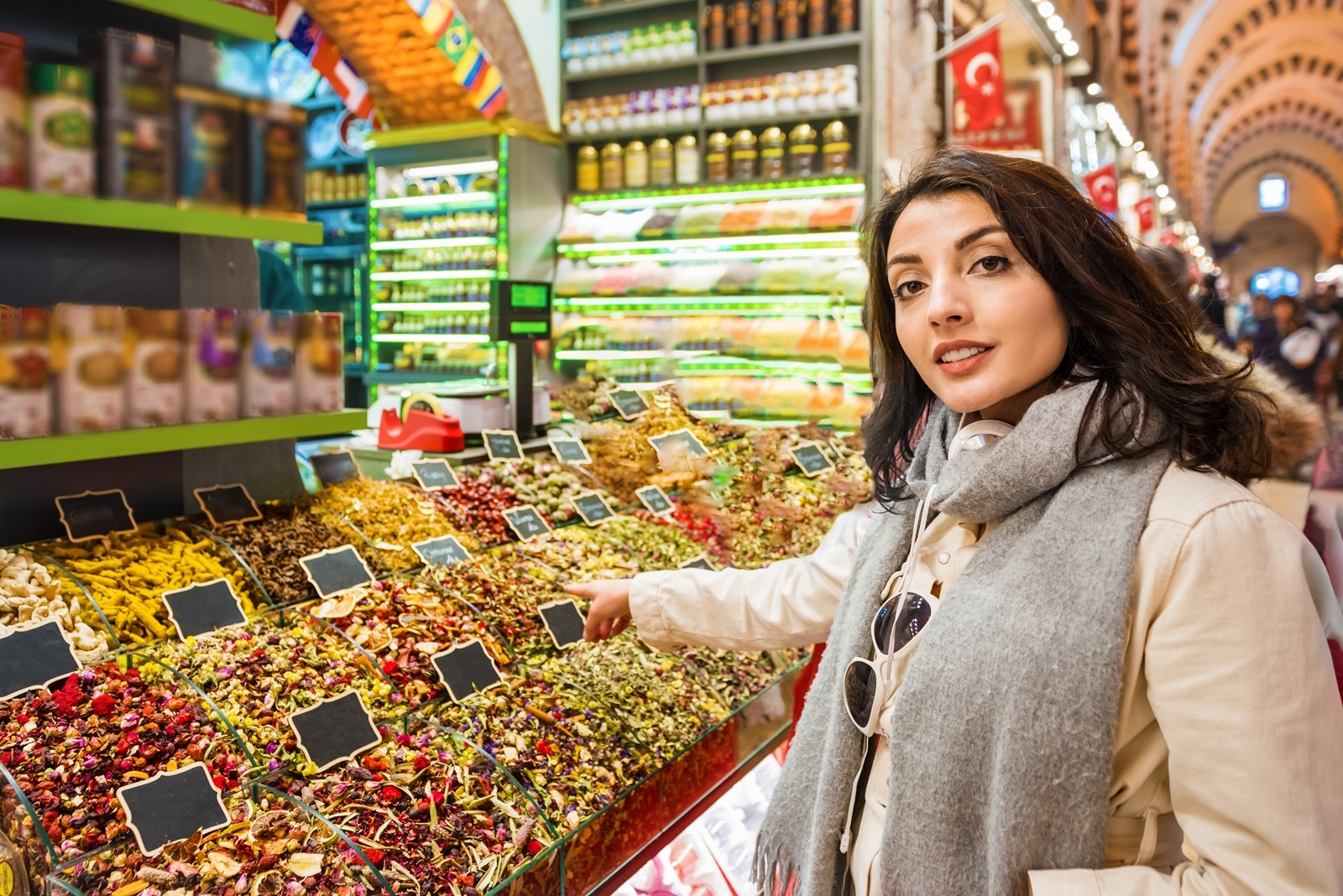
Step inside and the air changes immediately. Warm pepper. Citrus peel. Earthy cumin. This market has been at the center of Istanbul’s spice trade since the 17th century, and it still feels like a working place, not a museum.

Most stalls sell the essentials. Sumac. Paprika. Cumin. Pul biber. You’ll also see dried fruits, teas, nuts, and sweets stacked high. The colors alone slow people down.
Two names come up often here. Arifoğlu for carefully sourced saffron and red pepper flakes, and Kurukahveci Mehmet Efendi, better known for coffee but impossible to ignore while passing through.
Istanbeautiful Team note:
Don’t buy at the first stall. Walk once. Smell. Compare. Then decide.
This is a good place to buy classic Turkish spices to take home, especially if you want variety in small amounts. It’s busy, yes. But the energy is part of the experience.
Grand Bazaar
No Regrets Booking Advice
People don’t come Grand Bazaar for spices first. That’s why it works.
Hidden among carpets, lamps, and jewelry are spice shops selling both everyday and harder-to-find items. Aleppo pepper. Za’atar blends. Strong cumin. Turkish saffron. The selection is quieter but often more flexible.
Prices here are open to conversation. That’s normal. Vendors are usually happy to explain where a spice comes from and how it’s used. Sometimes you’ll get cooking advice along with your purchase.
The Grand Bazaar can feel overwhelming, but spice shopping gives you a reason to slow down inside it. You leave with flavor and context, not just a bag.
Local Markets (Feriköy and Kadıköy Markets)
If you want to see how locals actually buy spices, come here.
Feriköy Organic Market and Kadıköy Market feel different from the big bazaars. Fewer tourists. More routine. Spices sold alongside vegetables, olives, and cheese.
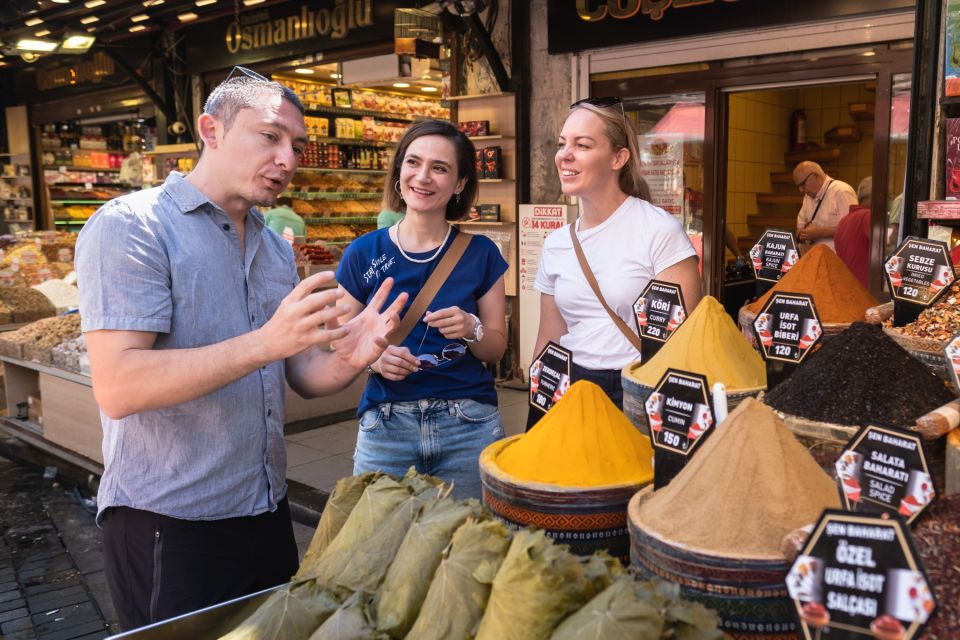
You’ll find oregano, thyme, sumac, coriander, often sourced from specific regions. Prices tend to be calmer. Quality is high. Nobody rushes you.
Istanbeautiful Team note:
If you’re staying a few days and cooking even once, local markets make more sense than souvenir shopping.
These markets trade spectacle for substance. And for many visitors, that’s exactly the point.
Top Specialty Spice Shops in Istanbul
Ucuzcular Baharat (Spice Bazaar)
Ucuzcular doesn’t try to impress you. That’s part of the charm. Tucked inside the Spice Bazaar, this is one of those shops locals point to when asked where they actually buy spices.
Wooden shelves. Glass jars. No performance. Just a serious range of herbs, seeds, and blends that people cook with every day.
You’ll find Aleppo pepper, za’atar, coriander, and other culinary staples that aren’t always front and center in more tourist-focused stalls. Prices tend to be fair, and quality stays consistent. That’s why chefs come back here quietly, without fuss.
Ucuzcular is a good stop if you’re looking for harder-to-find spices or want something beyond the usual souvenir picks. It rewards curiosity more than impulse buying.
Arifoğlu (Spice Bazaar)
Arifoğlu sits at the other end of the spectrum. Well-known. Well-organized. Trusted for decades. This family-run shop has built its name on consistency. Their saffron is fragrant and clean. Red pepper flakes are fresh. Sumac has real acidity, not dustiness.
Beyond spices, you’ll see rose water, herbal oils, and natural products used in both cooking and traditional care routines.
Yes, it’s popular. Yes, it’s busy. But quality here holds up under volume, which isn’t always easy in the Spice Bazaar.
If you want premium spices without guesswork, Arifoğlu makes decisions easy. You won’t need to bargain or second-guess.
Both shops work for different moods. Ucuzcular if you want to explore quietly. Arifoğlu if you want assurance. Either way, you leave with spices that taste like Istanbul, not just look like it.
Must-Try Turkish Spices and Their Uses
Saffron
Saffron sits at the top of the spice hierarchy for a reason. It’s prized, expensive, and used sparingly. In Istanbul, you’ll see both Turkish saffron and higher-priced Iranian varieties. A little goes a long way.
It’s most often used in rice dishes and desserts, where it adds a deep aroma and that unmistakable golden color. If a seller pushes quantity, walk away. Good saffron is about threads, not handfuls.
Sumac
Sumac is the quiet hero of Turkish cooking. Tangy, slightly lemony, and bright, it shows up everywhere once you start noticing. It’s sprinkled over salads, grilled meats, and flatbreads like lahmacun. If a dish tastes fresh without tasting sour, sumac is often the reason.
Istanbeautiful Team note:
If you buy only one spice to take home, make it sumac. It changes simple food instantly.
Turkish red pepper flakes (pul biber)
Pul biber isn’t about heat alone. It brings warmth, smokiness, and depth. You’ll see it on tables, stirred into yogurt sauces, and mixed into meat dishes. Every household has its own preferred intensity. Ask to smell before buying. Fresh pul biber smells sweet and peppery, not dusty.
Cumin (kimyon)
Cumin is grounding. Earthy. Familiar. It’s essential in kebabs, soups, and köfte. Used carefully, it supports meat rather than overpowering it. Too much cumin is easy to spot, so Turkish cooking tends to be restrained with it.
Coriander (kişniş)
Coriander seeds appear more than the fresh herb. They add a nutty, citrus-leaning note to marinades, pickles, and spice blends. Ground coriander softens sauces and balances heavier flavors.
Dried mint (nane)
Dried mint is everywhere once you start looking. It finishes lentil soup, flavors yogurt dishes like cacık, and cools down stews. Its aroma should feel clean and fresh, not stale.
Nigella seeds (çörek otu)
These small black seeds show up on bread and pastries. Slightly bitter, lightly crunchy, and aromatic, they add texture more than heat. If you’ve eaten Turkish bread and wondered about the subtle bite, this is it.
Mahleb (mahlep)
Mahleb is niche but memorable. Made from cherry pits, it carries an almond-like fragrance. It’s used mostly in pastries and breads, especially during holidays. A little too much overwhelms. In the right amount, it feels elegant and nostalgic.
Taken together, these spices explain why Turkish food feels layered without being heavy. Each one plays a role. None of them shout.
FAQs
What spices are most popular in Turkish cuisine?
Some of the most popular spices in Turkish cuisine include saffron, sumac, cumin, red pepper flakes (pul biber), dried mint, and nigella seeds. These spices are used to enhance the flavors of traditional dishes like kebabs, stews, and Turkish salads. They are widely available at spice markets and specialty shops in Istanbul.
How much does saffron cost in Istanbul?
The price of saffron in Istanbul varies depending on its quality and origin. Turkish saffron is generally less expensive than Iranian saffron, which can be priced higher due to its premium quality. On average, expect to pay around $5 to $10 per gram at reputable spice shops in the Spice Bazaar.
Why is the Spice Bazaar famous in Istanbul?
The Spice Bazaar, also known as Mısır Çarşısı, has been a central hub for spice trading since the 17th century. It’s famous for offering a wide variety of fresh spices, teas, dried fruits, and nuts. Visitors flock to this market for both the high-quality products and the cultural experience of shopping in a historic marketplace.
How can I tell if the spices are fresh in Istanbul?
Fresh spices in Istanbul can be identified by their vibrant color, strong aroma, and dry but not brittle texture. When shopping in markets like the Spice Bazaar or the Grand Bazaar, you can ask vendors to smell or sample the spices. Reputable shops are known for selling high-quality, fresh products.
What should I look for when buying Turkish red pepper flakes?
When buying Turkish red pepper flakes (pul biber), look for a deep red color and a slightly smoky aroma. These flakes should be dry but still have a slight oiliness to them. Pul biber is commonly found at spice markets such as the Spice Bazaar or Kadıköy Market and is widely used in Turkish cooking for its mild heat and smoky flavor.
Where can I find organic spices in Istanbul?
For organic spices, head to Feriköy Organic Market or Kadıköy Market, where local farmers sell fresh, farm-grown spices and herbs. These markets are popular among locals seeking high-quality, natural products, and they offer a wide range of organic spices like coriander, dried mint, and cumin.
What is sumac, and how is it used in Turkish cuisine?
Sumac is a tangy, lemony spice often used to flavor Turkish salads, grilled meats, and kebabs. It adds a refreshing, citrusy note to dishes and is commonly sprinkled on top of lahmacun and kebabs. Sumac can be found at spice markets and specialty shops.
Who are the most reputable spice vendors in Istanbul?
Some of the most reputable spice vendors in Istanbul include Arifoğlu, located in the Spice Bazaar, and Ucuzcular Baharat in the Fatih district. Both shops are known for selling high-quality spices like saffron, sumac, cumin, and red pepper flakes, and they have a strong reputation among locals and visitors.
Will I be able to find rare spices in Istanbul?
Yes, Istanbul’s spice markets, especially the Spice Bazaar and Grand Bazaar, offer a wide variety of rare spices such as Aleppo pepper, za’atar, and mahleb. Specialty shops also stock rare and exotic spices, making it an excellent destination for those looking for unique ingredients.