
Most first-time visitors worry that Istanbul during Ramadan slows down or shuts itself off. The opposite usually happens. Days feel quieter, yes. But nights stretch longer, fuller, and more social than many travelers expect. That contrast catches people off guard in a good way.
If you are visiting Istanbul during Ramadan for the first time, the real challenge is not access. It is timing. Knowing when to explore, when to pause, and when the city truly comes alive. Get that rhythm right, and Ramadan can become one of the most memorable times to be here.
We have seen this play out year after year. Travelers who plan their days loosely and evenings carefully tend to enjoy the city more. Museums feel calmer in the morning. Streets thin out mid-afternoon.
Then, just before sunset, energy builds. Locals gather. Ferries fill. The call to prayer rolls across the city, and suddenly iftar in Istanbul becomes a shared moment, even if you are not fasting yourself.
There is also a common fear that tourists will feel out of place. In reality, Istanbul is used to visitors. Restaurants stay open. Cafes adapt. You can eat, drink, and explore respectfully without feeling awkward. According to traveler discussions on TripAdvisor and Reddit, most discomfort comes from poor planning, not from Ramadan itself.
Think of Ramadan here like adjusting your sleep schedule on a long-haul flight. The city still works, just on a slightly shifted clock. Once you sync with it, things flow.
Our guide is built for that reality. Practical timing, food options, events, and clear answers to what actually changes. Just what helps you enjoy Ramadan in Istanbul without second-guessing every decision.
When is Ramadan in Istanbul in 2026?
Ramadan 2026 Dates
Thursday, 19 February 2026 to Thursday, 19 March 2026
Ramadan Feast’s Eve (Religious Holiday – half day)
Thursday, 19 March 2026
Ramadan Feast (Religious Holiday – goes for 3 days)
Friday, 20 March to Sunday, 22 March 2026
Fast answers for first-time visitors to Istanbul during Ramadan
Is Istanbul open during Ramadan?
Yes. Fully. Istanbul during Ramadan does not shut down. Shops, museums, transport, and attractions continue operating. The rhythm changes, not the access. Mornings and early afternoons feel calmer. Evenings feel busier and more social. According to guidance shared by the Turkish Ministry of Culture and Tourism, Ramadan does not alter general tourism operations in major cities like Istanbul.
No Regrets Booking Advice
Can tourists eat and drink in public?
Yes. Tourists can eat and drink during the day. No one will stop you. The only adjustment is awareness. Around mosques or in very conservative residential areas, people tend to be discreet. In tourist zones, cafés, hotel restaurants, food courts, and international chains stay open. This is why visiting Istanbul during Ramadan is far easier than many expect.
Are restaurants and cafés open during the day?
Many are. Some local lokantas open later or focus on evening service, but tourist-heavy areas stay active. Hotels always serve meals. Malls operate normally. Google Maps listings usually reflect Ramadan hours accurately, especially for lunch-friendly spots.
Do museums and attractions change hours?
Most major sites stay open. A few may close slightly earlier in the afternoon. Mosques pause visits during prayer times. According to traveler reports on TripAdvisor, planning museums before mid-afternoon works best during Ramadan.
Does nightlife stop?
It shifts. Bars and clubs operate, but the social center moves to after sunset. Even non-drinkers find evenings lively. Late walks, waterfront areas, and post-iftar in Istanbul gatherings replace classic nightlife patterns.
Ramadan 2026 dates in Istanbul
Dates matter more than most guides admit. During Ramadan in Istanbul, the city does not change all at once. It shifts day by day, minute by minute, following the fasting clock. If you know those dates and how they affect daily timing, planning becomes far easier.
When is Ramadan 2026 in Istanbul?
According to Presidency of Religious Affairs (Diyanet), Ramadan in 2026 is expected to begin on 19 February and end on 20 March, followed immediately by Eid al-Fitr (Ramazan Bayramı). Exact dates are confirmed closer to the time because they follow the lunar calendar.
For travelers, this means two things. First, fasting hours are shorter than in summer Ramadan periods. Second, evenings still arrive early enough to enjoy long post-iftar walks without exhaustion.
What “iftar time” really means for visitors
Iftar is the moment the fast breaks at sunset. In Istanbul, this shifts by a few minutes later each day. One night it might be 18:15. A week later, closer to 18:25. That small change affects restaurant reservations, ferry crowds, and traffic patterns more than people expect.

We have watched travelers miss great evenings simply because they arrived hungry and unplanned at 18:10. Knowing the Istanbul iftar time for your travel dates is one of the most practical steps you can take.
What about Eid al-Fitr?
Eid al-Fitr in Istanbul lasts three days. It is joyful and busy. Some small shops close. Family visits increase. Tourist areas stay active, but transport gets crowded. According to local tourism guidance and traveler reports, museums usually remain open, but mornings are calmer than afternoons.
What changes in Istanbul during Ramadan and what stays exactly the same
Istanbul during Ramadan does not flip a switch. It adjusts its tempo. Some things soften. Others intensify. Knowing which is which saves energy and frustration.
Daytime rhythm feels slower, not restricted
Mornings and early afternoons are calmer across the city. Streets breathe a little more. Museums feel less rushed. Cafés in tourist areas still serve, but the buzz is lower. This is not closure. It is pacing. In neighborhoods like Sultanahmet and Karaköy, daytime sightseeing actually becomes easier during Ramadan.
What changes is the late afternoon lull. Between roughly 16:30 and sunset, many locals head home. Shops stay open, but momentum dips. If you plan long walks or heavy sightseeing at that hour, it can feel flat.
Evenings grow louder and more social
Once sunset approaches, the city resets. Streets near mosques fill. Ferries get busy. Restaurants prepare for iftar in Istanbul.
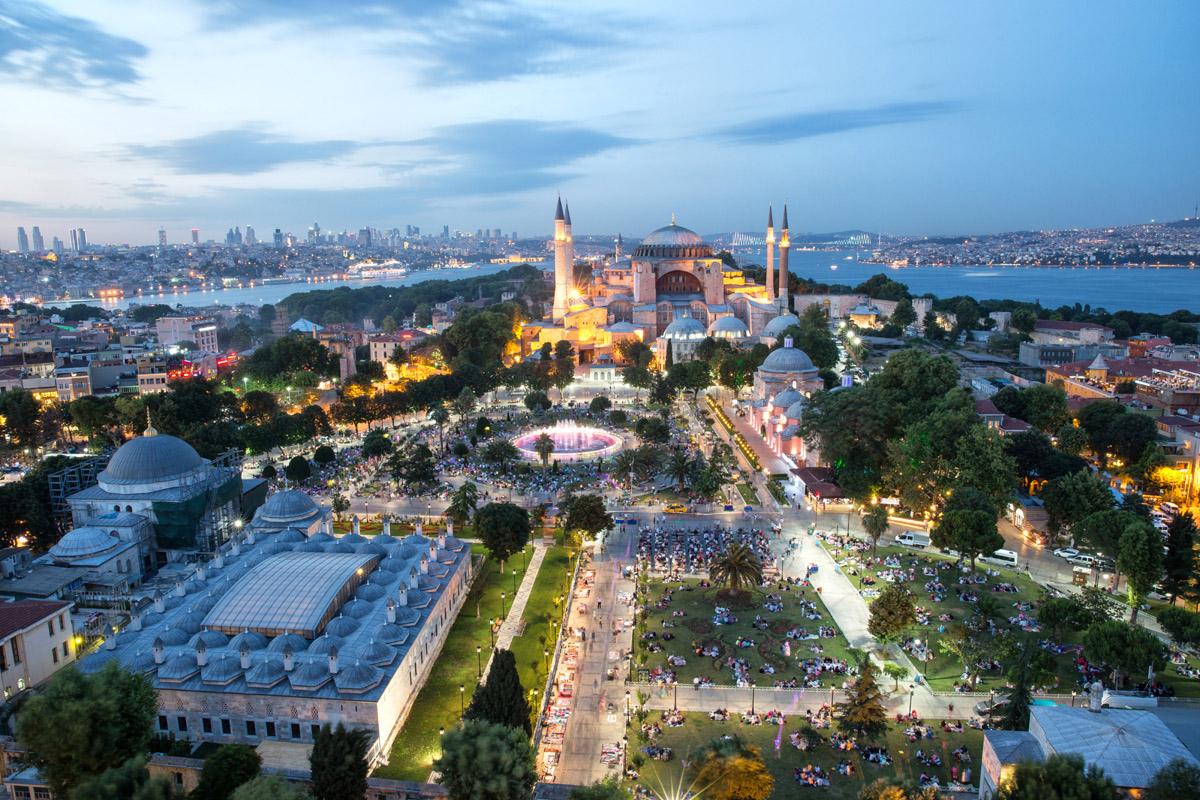
According to traveler reports on TripAdvisor, this is when first-timers suddenly feel the energy they expected all day.
Think of it like a theater. The stage lights come on at sunset. Before that, people are backstage.
Alcohol, nightlife, and reality
Alcohol is still served. Bars stay open. The difference is demand, not permission. Some venues open later. Others stay quieter until after iftar. Nightlife shifts from loud to social, from bars to walks, squares, and waterfronts.
Myth busting: “Everything shuts down”
This idea comes up constantly on Reddit and travel forums. It is wrong. Transport runs. Attractions operate. Restaurants adapt. The only real mistake is planning a rigid schedule that ignores sunset timing.
Iftar in Istanbul
This is where Istanbul during Ramadan either clicks or frustrates you. Iftar in Istanbul is not just dinner. It is a daily reset for the entire city. Get your plan right, and the night carries itself. Get it wrong, and you wait hungry in a crowd.
How to choose the right iftar experience
Start with one question. What do you want from the night? A view, a calm meal, a shared public atmosphere, or something simple and filling. Each choice leads somewhere different.

Restaurants with views book early, sometimes days ahead. Neighborhood lokantas feel warmer and more spontaneous. Public iftar tents offer a shared experience that surprises many first-time visitors. According to local municipality programs and traveler feedback, these tents welcome everyone and serve traditional dishes on a fixed schedule.
Think of iftar like boarding a ferry. You either arrive early and settle in, or you watch it pull away.
Where first-timers feel most comfortable
Sultanahmet offers atmosphere and tradition. Eminönü feels crowded and energetic. Karaköy leans casual. Kadıköy runs later and feels local. Each works. What matters is committing to one area before sunset.
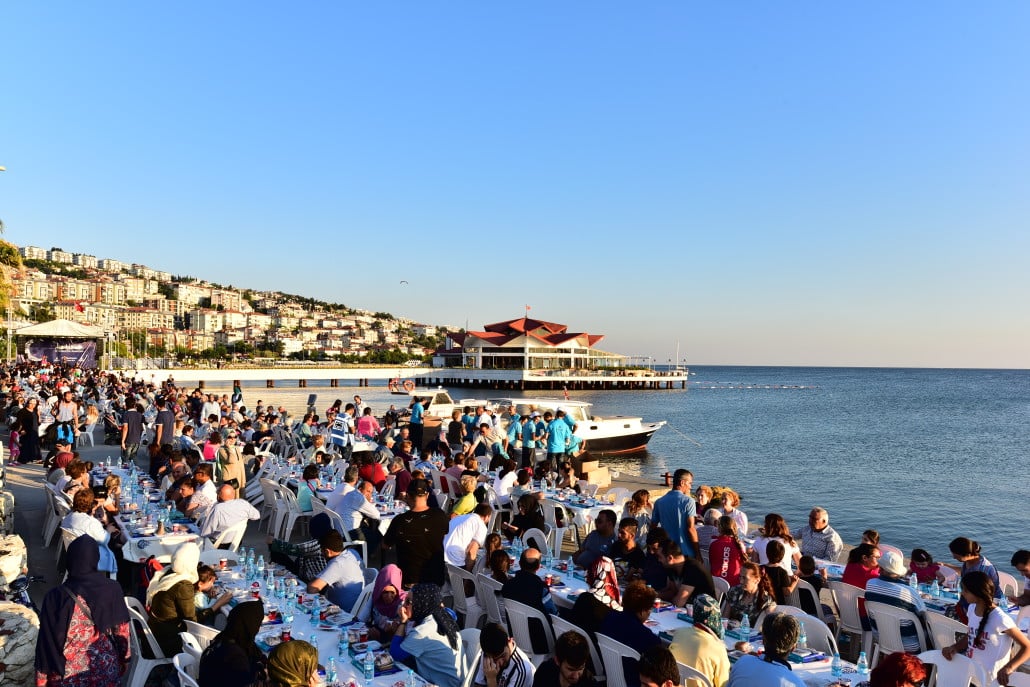
Many travelers try to decide at the last minute. That is when stress creeps in. Restaurants fill. Streets clog. Hunger sharpens impatience.
What to eat during Ramadan
Ramadan pide appears everywhere just before sunset. Güllaç shows up on dessert menus. These are seasonal and worth trying once. Menus often switch to fixed iftar sets, which speeds service and simplifies choices.
Night events and what to do after iftar in Istanbul
If days feel muted during Ramadan in Istanbul, nights feel intentional. After iftar in Istanbul, people do not rush home. They step outside. Families walk. Friends linger. The city exhales.
Sultanahmet Square, Beyazit Square, Eyup, Feshane, Yenikapi, Uskudar and Maltepe city park are the main spots for all these events.
Where the Ramadan street atmosphere feels strongest
Some areas lean into this rhythm more than others. Sultanahmet square fills with slow-moving crowds after sunset. Eminönü buzzes with food smells and ferry noise.
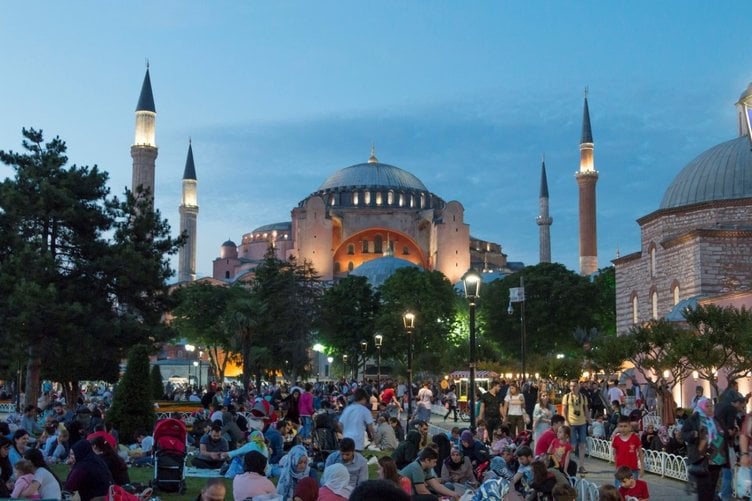
Üsküdar offers calmer waterfront walks with wide views across the Bosphorus. Kadıköy stays social later, especially for cafés and dessert stops.

Travelers on TripAdvisor often say the same thing. Even without a plan, post-iftar wandering feels safe and welcoming. The energy is relaxed, not chaotic.
Public programs, performances, and quiet surprises
Many neighborhoods host evening events during Ramadan. Light music, storytelling, small performances, children playing late without urgency. Announcements from Istanbul Metropolitan Municipality usually highlight what is happening that week.

You do not need to chase a specific show. The atmosphere itself is the draw. Sit on a bench. Watch people break routine together. That shared pause is the experience.
Simple post-iftar walking ideas
In the Old City, walk from Sultanahmet toward Gülhane Park. In Karaköy, head uphill toward Galata and let the streets guide you. On the Asian side, follow the shoreline in Moda.
Mosques during Ramadan
Mosques stay open during Ramadan in Istanbul, but the rules tighten slightly. Not stricter. Just clearer. If you understand the timing and flow, visits feel calm and welcoming. If you don’t, they can feel rushed or confusing.
When to visit without interrupting prayer
The biggest mistake first-time visitors make is arriving right before prayer. During Ramadan, prayers draw larger local crowds, especially at sunset and late evening. Visiting earlier in the day works best. Late morning to early afternoon is usually quiet and unhurried.
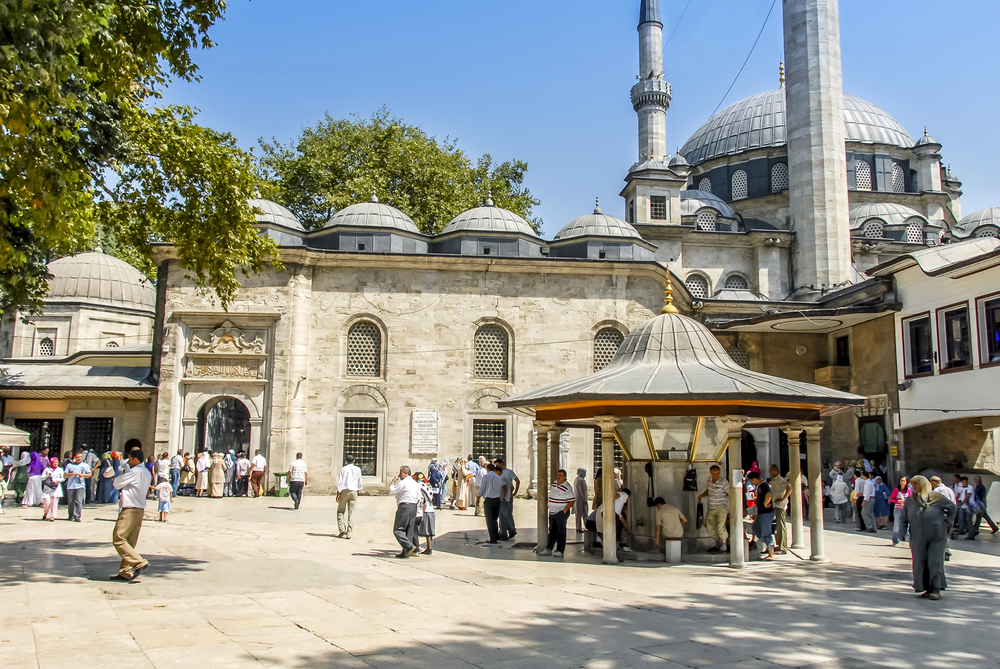
Mosques close briefly during prayer times. This is normal. According to guidance shared by the Presidency of Religious Affairs (Diyanet), this pause protects worship space, not tourists from entry.
Dress and behavior that keeps things comfortable
Dress codes do not change during Ramadan, but enforcement feels firmer. Covered shoulders and knees. Women use headscarves, which are provided at major mosques. Shoes come off. Phones stay silent.

Photos are allowed outside prayer times. During prayer, step back. Watch. This is not exclusion. It is respect.
Where first-time visitors feel most at ease
Large mosques handle visitors smoothly. Blue Mosque is busy but organized. Süleymaniye Mosque feels calmer and gives space to observe without pressure.
Watching the sunset call to prayer from a respectful distance is powerful. The sound rolls across the city. People pause. Traffic softens for a moment.
Where to eat during the day in Istanbul during Ramadan
Daytime food is the quiet worry nobody wants to ask out loud. Yes, you can eat. Yes, you will find places open. The key during Istanbul during Ramadan is choosing locations that work with the daytime rhythm instead of fighting it.
Neighborhoods where lunch feels easiest
Tourist-heavy areas stay practical. Sultanahmet cafés serve travelers all day. Karaköy keeps bakeries and casual spots open. Kadıköy on the Asian side barely slows down.
Shopping malls are the safest fallback. Food courts operate normally and feel neutral for visitors who prefer discretion.
Hotels matter more than people realize. Breakfast spreads run long. Many travelers treat late breakfast as an early lunch and shift real meals to evening iftar in Istanbul. That single adjustment removes stress from the day.
How to check hours without guessing
Listings on Google Maps usually reflect Ramadan hours accurately. Check same-day updates, not reviews from previous months. Some local spots open later in the afternoon, then close briefly before sunset to reset for iftar service.
This pattern surprises first-timers. A restaurant can look closed at 17:30, then reopen busy and full at 18:30. Planning around that pause saves frustration.
What to avoid late afternoon
The final hour before sunset feels tense. Locals focus inward. Kitchens prepare. Streets thicken near mosques. This is the wrong window to search for food.
Shopping, bazaars, and timing during Ramadan in Istanbul
Shopping works during Istanbul during Ramadan, but the clock matters more than the location. Markets stay open. Shops sell as usual. The experience changes depending on when you go.
Best times for bazaars without pressure
Mornings win. Grand Bazaar and the Spice Bazaar feel calmer before noon. Vendors have time. Aisles move. You can browse without feeling pulled in five directions at once. By early afternoon, energy builds slowly, then dips again late afternoon as locals head home to prepare for iftar.

If you arrive near sunset, expect half-attention. Shops stay open, but conversations shorten. This is not rudeness. It is routine.
Evenings feel different, not worse
After iftar in Istanbul, some areas reopen with a second wind. Streets near mosques buzz. Dessert shops and tea houses fill. Bazaars may not fully restart, but surrounding streets come alive. This is a good time for casual souvenir browsing, not serious buying.
Travelers on TripAdvisor often mention feeling rushed when they shop late afternoon. The fix is simple. Shift shopping earlier. Save evenings for walking.
Mall shopping stays predictable
If you want consistency, malls operate normally during Ramadan. Hours stay fixed. Food courts stay open. This is why many visitors schedule shopping malls in the late afternoon lull, then head out for iftar afterward.
Transport and timing hacks during Ramadan in Istanbul
Transport still works the same during Istanbul during Ramadan, but the pressure points move. Miss those, and you sit in traffic wondering what went wrong. Catch them early, and the city feels smooth.
What happens around sunset
The final 30 to 45 minutes before iftar reshape movement. Buses fill. Trams slow. Roads near large mosques tighten. Ferries leaving just before sunset often feel rushed, packed with locals heading home.
According to patterns travelers regularly mention on TripAdvisor, this is the most stressful window of the day to move across the city.
Here’s the adjustment. Either move well before sunset or commit to staying where you are until after dinner. Trying to squeeze in one last stop at 18:10 rarely works.
Ferries versus road traffic
Ferries remain the most reliable option during Ramadan evenings. They follow schedules and bypass road congestion. Crossing between the European and Asian sides after iftar often feels easier than at any other time of day. Many visitors accidentally discover this and then wonder why they avoided ferries earlier.
Road traffic tells a different story. Taxis slow dramatically near sunset and again during Eid days. Apps work, but patience helps.
Metro and tram patterns
Metro lines keep running normally. The difference is density. Just before iftar, platforms feel compressed. About 45 minutes after sunset, pressure eases. That later window is a sweet spot for moving longer distances.
Ramadan-friendly itineraries for first-time visitors to Istanbul
The biggest planning mistake during Istanbul during Ramadan is treating every day the same. Ramadan rewards structure. Not rigidity, just a loose framework that respects energy dips and evening surges.
A simple 2-day Ramadan plan
Day one works best in the Old City. Start early. Visit Hagia Sophia and nearby sights while the pace is gentle.

Have a late breakfast that carries you through midday. Slow down after 15:00. By 17:30, position yourself near Sultanahmet.
This avoids last-minute movement and lets you experience your first iftar in Istanbul without stress. After dinner, walk toward Gülhane Park and let the night atmosphere settle in.

Day two shifts neighborhoods. Karaköy or Kadıköy work well. Explore shops and cafés earlier in the day. Use the late afternoon lull for rest. Choose a casual iftar spot, then wander along the water.
A balanced 3-day plan
Add variety. One structured iftar night. One spontaneous evening. One calm night walk. Use museums in the morning, bazaars before noon, ferries after iftar. This pacing matches how locals live Ramadan.
A relaxed 5-day plan
Five days allow breathing room. Split time between European and Asian sides. Repeat favorite neighborhoods. Take afternoons lightly. Choose one special iftar with a reservation. Let the rest unfold.
Think of this like adjusting your watch when crossing time zones. You still see everything. You just stop fighting the clock.
Common mistakes first-time visitors make during Ramadan in Istanbul
Most frustrations around Istanbul during Ramadan come from a few repeat mistakes. We see them every year. The good news is that all of them are easy to avoid once you know what to watch for.
Arriving hungry at iftar with no plan
This is the classic error. Travelers wander until sunset, then try to find food exactly when everyone else is doing the same. Restaurants fill. Streets clog. Patience drops fast. Iftar in Istanbul is not a flexible dinner window. It is a fixed moment. Either arrive early with a plan or wait properly until the rush passes.
We have watched people enjoy Ramadan nights simply by sitting down 20 minutes before sunset. Same food. Completely different mood.
Overpacking the late afternoon
Late afternoons are deceptive. Everything looks open, so people keep going. By 17:00, energy fades. Shops lose focus. Walking feels heavier. Then sunset hits, and plans collapse.
This is where many visiting Istanbul during Ramadan feel tired and irritated without knowing why. The fix is simple. Use late afternoon for rest, cafés, or transit. Save effort for the evening.
Treating Ramadan like a sightseeing obstacle
Some visitors approach Ramadan defensively. They rush museums. Avoid mosques. Skip evenings. That mindset blocks the experience. Ramadan does not limit Istanbul. It reshapes it.
According to traveler discussions on Reddit and TripAdvisor, people who lean into the rhythm consistently report better trips than those who try to bypass it.
Common Traveler Questions
Is it a good time to visit Istanbul during Ramadan?
Yes. Many travelers find it calmer during the day and richer at night. Visiting Istanbul during Ramadan suits people who enjoy slower afternoons and social evenings. If your style leans toward early starts and long walks after dinner, this period often feels rewarding.
Will restaurants be open during the day?
Yes. Tourist areas, hotels, malls, and international cafés serve food all day. Some local places open later and focus on evening service. Checking same-day hours helps. Eating earlier in the afternoon avoids the pre-sunset pause.
Can tourists eat and drink in public?
Yes. No rules stop visitors from eating or drinking. Discretion near mosques and during prayer times is appreciated. In practice, most tourists never feel uncomfortable.
Do museums and attractions close during Ramadan?
Most stay open with regular hours. Some may close slightly earlier in the afternoon. Visiting in the morning works best. Mosques pause entry during prayer times, then reopen.
What time is iftar in Istanbul?
Iftar happens at sunset and shifts by a few minutes daily. Knowing the Istanbul iftar time for your dates helps with dinner plans and transport. Local calendars and hotel staff share updated times easily.
Is nightlife affected?
Nightlife changes shape. Bars operate. Alcohol is served. The focus moves toward walks, waterfronts, cafés, and post-iftar social time. Many visitors enjoy this slower, more conversational atmosphere.
Is Eid a good time to be in the city?
Eid al-Fitr in Istanbul feels festive and busy. Transport crowds increase. Some small shops close. Tourist areas stay active. Starting days earlier helps.